Standaard Boekhandel gebruikt cookies en gelijkaardige technologieën om de website goed te laten werken en je een betere surfervaring te bezorgen.
Hieronder kan je kiezen welke cookies je wilt inschakelen:
Technische en functionele cookies
Deze cookies zijn essentieel om de website goed te laten functioneren, en laten je toe om bijvoorbeeld in te loggen. Je kan deze cookies niet uitschakelen.
Analytische cookies
Deze cookies verzamelen anonieme informatie over het gebruik van onze website. Op die manier kunnen we de website beter afstemmen op de behoeften van de gebruikers.
Marketingcookies
Deze cookies delen je gedrag op onze website met externe partijen, zodat je op externe platformen relevantere advertenties van Standaard Boekhandel te zien krijgt.
Bedankt voor het vertrouwen het afgelopen jaar! Om jou te bedanken bieden we GRATIS verzending (in België) aan op alles gedurende de hele maand januari.
Afhalen na 1 uur in een winkel met voorraad
In januari gratis thuislevering in België
Ruim aanbod met 7 miljoen producten
Bedankt voor het vertrouwen het afgelopen jaar! Om jou te bedanken bieden we GRATIS verzending (in België) aan op alles gedurende de hele maand januari.
Je kan maximaal 250 producten tegelijk aan je winkelmandje toevoegen. Verwijdere enkele producten uit je winkelmandje, of splits je bestelling op in meerdere bestellingen.
In januari gratis thuislevering in België (via bpost)
Gratis levering in je Standaard Boekhandel
Omschrijving
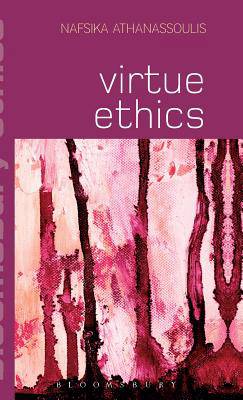
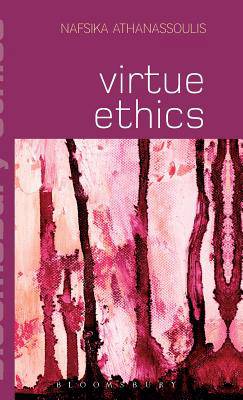
What is 'virtue'? And how can we lead moral lives?
Exploring how contemporary moral philosophy has led to a revival of interest in the concepts of 'virtue', 'character' and 'flourishing', this is an accessible and critical introduction to virtue ethics. Comprising of three parts, the first part examines the work of key contemporary thinkers such as Elizabeth Anscombe and Bernard Williams in calling for a change of direction in moral philosophy and adopting a different approach to answering questions such as 'How should I live my life?'. The second part develops a detailed account of Aristotelian eudaimonistic virtue ethics, which considers the virtuous agent to be an ideal and highlights the importance of moral perception and practical wisdom. In the final part, Athanassoulis explores new challenges to virtue ethics from psychology, discusses the practical implications of educating for the virtues and finally considers the neo-Kantian response to virtue ethics.
Virtue Ethics also includes chapter summaries and guides to further reading throughout to help readers explore, understand and develop a critical perspective towards this important school of contemporary ethical thought.