


- Afhalen na 1 uur in een winkel met voorraad
- Gratis thuislevering in België vanaf € 30
- Ruim aanbod met 7 miljoen producten
- Afhalen na 1 uur in een winkel met voorraad
- Gratis thuislevering in België vanaf € 30
- Ruim aanbod met 7 miljoen producten





€ 93,45
+ 186 punten
Omschrijving
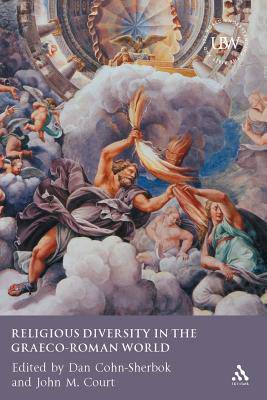
Over the last hundred years there has been a great deal of interest in the nature of religious diversity in the Graeco-Roman World and a variety of scholars have attempted to untangle the complexities of reliogious interaction and conflict. For students of this period there is a need for an introduction to this vast field of scholarship. This book makes a comprehensive survey of this field of enquiry.
The first three chapters deal with Judaism: Palestinian Judaism, Diaspora Judaism and Essenes. Philip Esler's account of Palestinian Judaism draws particular attention to the introduction of the analytic methods of social-scientific research to religious research. The next three chapters form a triptych of studies on Christianity, examining in turn the Jesus of history, the apostle Paul, and the early church The final group of three contributors are concerned with religious diversity within the pagan and syncretistic phenomena of the Roman world, treating political, philosophical and practical aspects in the legacy of Greek religion, in Gnosticism, and in Mithraism as an example of the Mystery Religions.Specificaties
Betrokkenen
- Auteur(s):
- Uitgeverij:
Inhoud
- Aantal bladzijden:
- 240
- Taal:
- Engels
- Reeks:
Eigenschappen
- Productcode (EAN):
- 9780567044914
- Verschijningsdatum:
- 1/03/2005
- Uitvoering:
- Paperback
- Formaat:
- Trade paperback (VS)
- Afmetingen:
- 161 mm x 234 mm
- Gewicht:
- 367 g


Alleen bij Standaard Boekhandel
+ 186 punten op je klantenkaart van Standaard Boekhandel
Cadeau

AANGERADEN


Beoordelingen
We publiceren alleen reviews die voldoen aan de voorwaarden voor reviews. Bekijk onze voorwaarden voor reviews.