


- Afhalen na 1 uur in een winkel met voorraad
- Gratis thuislevering in België vanaf € 30
- Ruim aanbod met 7 miljoen producten
- Afhalen na 1 uur in een winkel met voorraad
- Gratis thuislevering in België vanaf € 30
- Ruim aanbod met 7 miljoen producten





Omschrijving
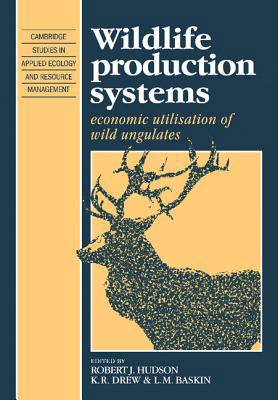
This book, first published in 1989, examines the controversial position of commercial utilisation in relation to wildlife conservation. Production of large mammals has earned respectability as an agricultural strategy and its evaluation has been listed as a priority requirement in the World Conservation Strategy. However, many authorities question whether wildlife production is a viable economic and environmental strategy, and suggest that it runs counter to its claimed purpose. This book evaluates this controversy by chronicling the changing role of wildlife and by reflecting on the implications of these trends. The book should be of interest to people both applauding and deploring the use of wildlife in this economic role.
Specificaties
Betrokkenen
- Auteur(s):
- Uitgeverij:
Inhoud
- Aantal bladzijden:
- 484
- Taal:
- Engels
- Reeks:
Eigenschappen
- Productcode (EAN):
- 9780521349147
- Verschijningsdatum:
- 14/01/2010
- Uitvoering:
- Paperback
- Formaat:
- Trade paperback (VS)
- Afmetingen:
- 170 mm x 244 mm
- Gewicht:
- 762 g


Alleen bij Standaard Boekhandel
+ 193 punten op je klantenkaart van Standaard Boekhandel

Beoordelingen
We publiceren alleen reviews die voldoen aan de voorwaarden voor reviews. Bekijk onze voorwaarden voor reviews.