


- Afhalen na 1 uur in een winkel met voorraad
- Gratis thuislevering in België vanaf € 30
- Ruim aanbod met 7 miljoen producten
- Afhalen na 1 uur in een winkel met voorraad
- Gratis thuislevering in België vanaf € 30
- Ruim aanbod met 7 miljoen producten





€ 24,45
+ 48 punten
Eenvoudig bestellen
Veilig betalen


Gratis thuislevering vanaf € 30 (via bpost)
Gratis levering in je Standaard Boekhandel
Omschrijving
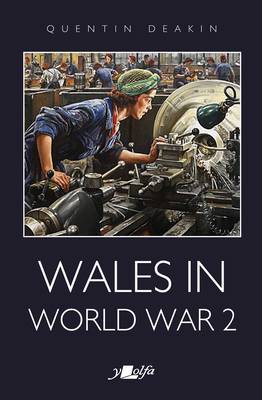
The most comprehensive study to date of Wales' role in the British response to World War II, and the impact of the war on Wales itself. Wales was vital to the war effort, from military training to public entertainment, from hosting several of Britain's most secretive weapons programs to housing 110,000 child evacuees, from the war economy to food security. The devastating 1940 blitz in the cities of the south is well known, but the book covers every region comprehensively. Politicians, civil servants and civilian volunteers; miners, steelworkers, farmers, factory workers and entertainers; local children, host families and evacuees; new recruits, soldiers, prisoners of war and pacifists - the book looks at the experience of every part of the population present in Wales during the war. Long-standing tensions between the Welsh people and the English authorities meant for a sometimes strained relationship, affecting the role of film, radio and the arts in propaganda directed to audiences in the home. The book also looks at the legacy of the conflict on Wales after the war.
Specificaties
Betrokkenen
- Auteur(s):
- Uitgeverij:
Inhoud
- Aantal bladzijden:
- 320
- Taal:
- Engels
Eigenschappen
- Productcode (EAN):
- 9781800994003
- Verschijningsdatum:
- 18/01/2024
- Uitvoering:
- Paperback
- Formaat:
- Trade paperback (VS)
- Afmetingen:
- 152 mm x 234 mm
- Gewicht:
- 508 g


Alleen bij Standaard Boekhandel
+ 48 punten op je klantenkaart van Standaard Boekhandel
CADEAU

AANGERADEN


Beoordelingen
We publiceren alleen reviews die voldoen aan de voorwaarden voor reviews. Bekijk onze voorwaarden voor reviews.