


- Afhalen na 1 uur in een winkel met voorraad
- Gratis thuislevering in België vanaf € 30
- Ruim aanbod met 7 miljoen producten
- Afhalen na 1 uur in een winkel met voorraad
- Gratis thuislevering in België vanaf € 30
- Ruim aanbod met 7 miljoen producten





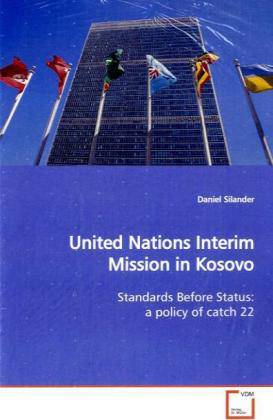
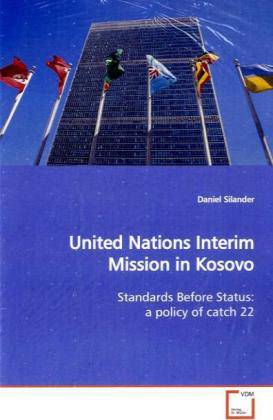
United Nations Interim Mission in Kosovo
Standards Before Status: a policy of catch 22
Daniel Silander
Paperback | Engels
€ 67,45
+ 134 punten
Omschrijving
After a decade of political oppression by Serbia in Kosovo, years of underground activities in Kosovo against Serbian rule, and months of armed confrontations between Serbian and Kosovo Albanian troops, NATO decided, in the spring of 1999, to intervene and force Serbian troops out of Kosovo. On June 12, 1999, United Nations Council Resolution 1244 released Kosovo from Belgrade's rule by transferring the control of Kosovo to the United Nations as a UN protectorate - the United Nations Interim Mission in Kosovo (UNMIK). This was the largest UN mission in history. This book explores the political developments of Kosovo from the international intervention in 1999 to Kosovo's declaration of independence in 2008. The author argues that the UN mission in Kosovo was doomed at its inception, because of the UN policy requiring that Kosovo met certain standards before the UN would commit to settling the future status of Kosovo. Without recognizing the country's sovereignty, Kosovo was unable to meet the UN standards. As a consequence, many challenges remain, compounded by a UN policy that for years left Kosovo a paralyzed society.
Specificaties
Betrokkenen
- Auteur(s):
- Uitgeverij:
Inhoud
- Aantal bladzijden:
- 168
- Taal:
- Engels
Eigenschappen
- Productcode (EAN):
- 9783639165340
- Verschijningsdatum:
- 7/06/2009
- Uitvoering:
- Paperback
- Formaat:
- Trade paperback (VS)
- Afmetingen:
- 152 mm x 229 mm
- Gewicht:
- 254 g


Alleen bij Standaard Boekhandel
+ 134 punten op je klantenkaart van Standaard Boekhandel
Cadeau

AANGERADEN


Beoordelingen
We publiceren alleen reviews die voldoen aan de voorwaarden voor reviews. Bekijk onze voorwaarden voor reviews.