


- Afhalen na 1 uur in een winkel met voorraad
- Gratis thuislevering in België vanaf € 30
- Ruim aanbod met 7 miljoen producten
- Afhalen na 1 uur in een winkel met voorraad
- Gratis thuislevering in België vanaf € 30
- Ruim aanbod met 7 miljoen producten





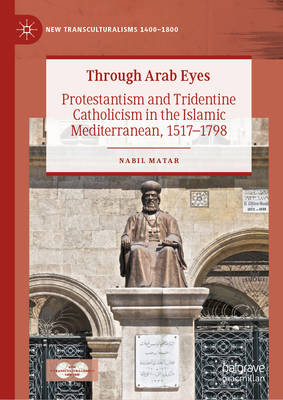
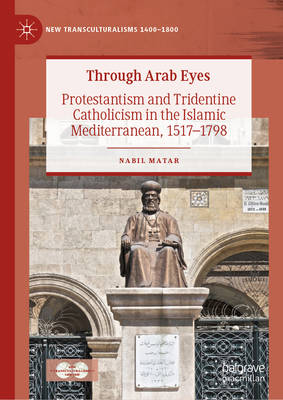
Through Arab Eyes
Protestantism and Tridentine Catholicism in the Islamic Mediterranean, 1517-1798
Nabil Matar
€ 128,45
+ 256 punten
Omschrijving
The first book based exclusively on Arabic sources in the study of the early modern religious encounters between Western Europe and the Islamic Mediterranean, this volume elucidates the impact of the Protestant and Catholic reformations on the Islamic Mediterranean from Morocco to Bilad al-Sham. Drawing on the vast collection of Arabic Christian manuscripts and Arabic books printed in Europe from the Ottoman conquest to the Napoleonic invasion, it provides an account of the Christian culture of Arabicity as reflected in Christian Arab pilgrimages, multiple calendars, and the role of the Arabic language in the construction of Christian identity. Through contemporaneous debates, disputations, autobiographies, correspondence, and histories, it analyzes the missionary efforts to convert Eastern Christians, Jews, Muslims, and Druzes to the new Christianities of Western Europe and the resulting consequences on the Arab East, thereby calling attention to the differences in the ideologies of conversion between Christianity and Islam.
Specificaties
Betrokkenen
- Auteur(s):
- Uitgeverij:
Inhoud
- Aantal bladzijden:
- 427
- Taal:
- Engels
- Reeks:
Eigenschappen
- Productcode (EAN):
- 9783031955310
- Verschijningsdatum:
- 22/06/2026
- Uitvoering:
- Hardcover
- Formaat:
- Genaaid
- Afmetingen:
- 148 mm x 210 mm


Alleen bij Standaard Boekhandel
+ 256 punten op je klantenkaart van Standaard Boekhandel
Cadeau

AANGERADEN


Beoordelingen
We publiceren alleen reviews die voldoen aan de voorwaarden voor reviews. Bekijk onze voorwaarden voor reviews.