


- Afhalen na 1 uur in een winkel met voorraad
- Gratis thuislevering in België vanaf € 30
- Ruim aanbod met 7 miljoen producten
- Afhalen na 1 uur in een winkel met voorraad
- Gratis thuislevering in België vanaf € 30
- Ruim aanbod met 7 miljoen producten




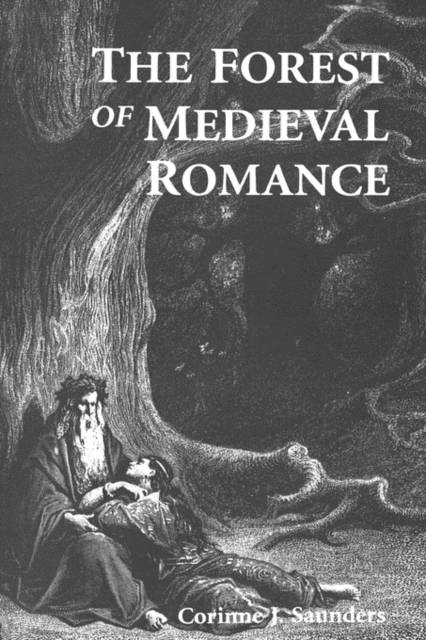
The Forest of Medieval Romance
The Preservation of the Mkomazi Game Reserve, Tanzania
Corinne Saunders
Hardcover | Engels
€ 177,45
Omschrijving
The motif of the forest in medieval romance finds its origins in the historical forest of the middle ages and the Biblical tradition of the wilderness, as well as in the classical philosophical tradition of the word 'silva'. Classical literature presented the forest as a landscape associated with the supernatural and with potentiality, ideas which were rewritten with a courtly emphasis in the 'roman d'antiquité'. As the chivalric romance form developed over the course of the twelfth century, the forest formed the landscape of the quest. The idea of the idyllic landscape, most developed in the 'Tristan' romances, and the recurring concept of the other or supernatural world drawn from Breton material, are interwoven with this presentation of the forest. These themes were transformed in the thirteenth century by the allegorical forest of the Grail Quest, so that by the fourteenth century the potential of the forest as a literary motif was considerable. Individual middle English romances such as 'Sir Orfeo', 'Sir Launfal', 'Sir Gawain and the Green Knight' and Chaucer's 'Wife of Bath's Tale' demonstrate the complex thematic interplay associated with the forest as sophisticated romance convention. SirThomas Malory's 'Morte Darthur' offers a final and culminative reworking of the forest of medieval romance, drawing together diverse themes to create a landscape poised between romance and reality, before the transformation of the forest into the highly self-conscious and psychological landscape of Renaissance literature, including the plays of Shakespeare. Throughout, Dr Saunders employs close textual analysis and comparison within a chronological framework to show how the forestof medieval romance developed as a literary construction with its own logic, associations and ramifications. Dr CORINNE SAUNDERS teaches in the Department of English at the University of Durham.
Specificaties
Betrokkenen
- Auteur(s):
- Uitgeverij:
Inhoud
- Aantal bladzijden:
- 249
- Taal:
- Engels
Eigenschappen
- Productcode (EAN):
- 9780859913812
- Verschijningsdatum:
- 17/06/1993
- Uitvoering:
- Hardcover
- Formaat:
- Genaaid
- Afmetingen:
- 156 mm x 234 mm
- Gewicht:
- 530 g


Alleen bij Standaard Boekhandel
Cadeau

AANGERADEN


Beoordelingen
We publiceren alleen reviews die voldoen aan de voorwaarden voor reviews. Bekijk onze voorwaarden voor reviews.