


- Afhalen na 1 uur in een winkel met voorraad
- Gratis thuislevering in België vanaf € 30
- Ruim aanbod met 7 miljoen producten
- Afhalen na 1 uur in een winkel met voorraad
- Gratis thuislevering in België vanaf € 30
- Ruim aanbod met 7 miljoen producten





€ 322,45
+ 644 punten
Uitvoering
Omschrijving
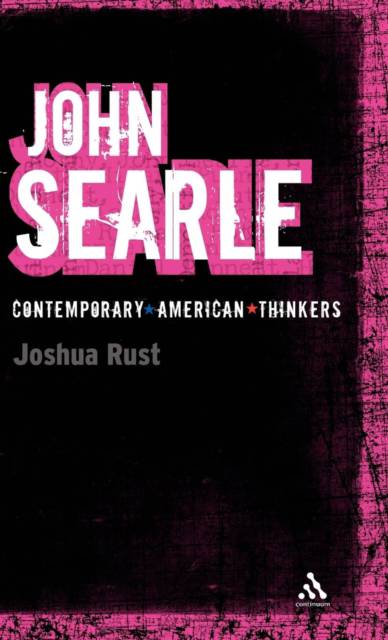
John Searle is one of the most important and influential analytic philosophers working today. He has made significant contributions to the fields of the philosophy of language and the philosophy of mind.
This concise and accessible book provides a critical review of Searle's philosophical themes. While Searle began his career as a philosopher of language, this book proceeds thematically, starting with a review of Searle's general ontological commitments. His conception of the mental is then located within that general framework. A theory of intentionality sets the stage for Searle's accounts of action, rationality, freedom, language, and social reality. Searle weaves together this broad array of topics by means of a set of theoretical and methodological assumptions. Part of the task of this book is to articulate some of those unifying tendencies, while locating Searle within the history of analytic philosophy.
In addition to comparing Searle's views to those of his interlocutors, the book also attempts to identify changes in those views, as articulated over the course of Searle's career.
Specificaties
Betrokkenen
- Auteur(s):
- Uitgeverij:
Inhoud
- Aantal bladzijden:
- 186
- Taal:
- Engels
- Reeks:
Eigenschappen
- Productcode (EAN):
- 9780826497512
- Verschijningsdatum:
- 23/11/2009
- Uitvoering:
- Hardcover
- Formaat:
- Genaaid
- Afmetingen:
- 142 mm x 218 mm
- Gewicht:
- 340 g


Alleen bij Standaard Boekhandel
+ 644 punten op je klantenkaart van Standaard Boekhandel
Cadeau

AANGERADEN


Beoordelingen
We publiceren alleen reviews die voldoen aan de voorwaarden voor reviews. Bekijk onze voorwaarden voor reviews.