


- Afhalen na 1 uur in een winkel met voorraad
- Gratis thuislevering in België vanaf € 30
- Ruim aanbod met 7 miljoen producten
- Afhalen na 1 uur in een winkel met voorraad
- Gratis thuislevering in België vanaf € 30
- Ruim aanbod met 7 miljoen producten





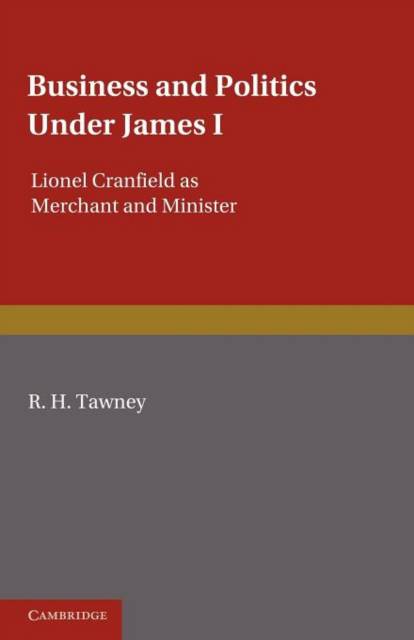
Business and Politics Under James I
Lionel Cranfield as Merchant and Minister
R H Tawney
Paperback | Engels
€ 60,95
+ 121 punten
Omschrijving
First published in 1958, this volume by R. H. Tawney throws light on the background, conditions, and practices of England's economic life during the reign of James I. At the centre of the study is the figure of Lionel Cranfield, Earl of Middlesex, whose role as a merchant and then government minister - rapidly rising to the position of Lord Treasurer - here provides a unique framework within which to view the inter-reliance of commerce and politics in the first part of the seventeenth century. The study offers an illuminating account of the various successes and defeats of Cranfield's career, as well as presenting a broad view of foreign trade and financial policy in England at the end of the Jacobean period.
Specificaties
Betrokkenen
- Auteur(s):
- Uitgeverij:
Inhoud
- Aantal bladzijden:
- 340
- Taal:
- Engels
Eigenschappen
- Productcode (EAN):
- 9781107698437
- Verschijningsdatum:
- 02/02/2012
- Uitvoering:
- Paperback
- Formaat:
- Trade paperback (VS)
- Afmetingen:
- 140 mm x 216 mm
- Gewicht:
- 430 g


Alleen bij Standaard Boekhandel
+ 121 punten op je klantenkaart van Standaard Boekhandel
AANGERADEN


Beoordelingen
We publiceren alleen reviews die voldoen aan de voorwaarden voor reviews. Bekijk onze voorwaarden voor reviews.