


- Afhalen na 1 uur in een winkel met voorraad
- Gratis thuislevering in België vanaf € 30
- Ruim aanbod met 7 miljoen producten
- Afhalen na 1 uur in een winkel met voorraad
- Gratis thuislevering in België vanaf € 30
- Ruim aanbod met 7 miljoen producten





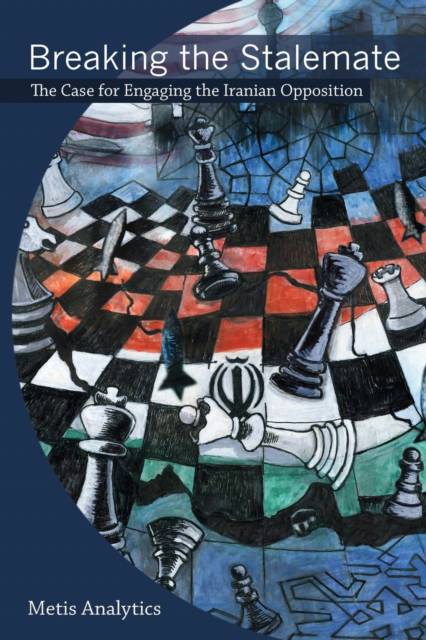
Breaking the Stalemate
The Case for Engaging the Iranian Opposition
Cheryl Benard, Austin Long, Angel Rabasa
Paperback | Engels
€ 13,95
+ 27 punten
Omschrijving
U.S. policy towards Iran since the 1979 revolution has swung pendulum-like between engagement via negotiation and dialogue, and an approach marked by stronger sanctions and threats of military force. The overall picture is that of oscillation, with policy shifts driven by changes in American administrations and ideological tides, and by periods when a seemingly more moderate Iranian president takes center stage. Outplayed on the strategic chessboard more than once, America has seen its Iran policy produce little in terms of reducing the regime's threat to stability in the region and on the globe. In other stalemated settings or in situations where the U.S. wants to take action without a direct presence, a common method has been to engage the indigenous opposition. This, however, is a risky undertaking, especially when there is insufficient knowledge about the true abilities, values and goals of opposition groups. This study argues that whatever the outcome of current nuclear negotiations with Iran, seeking a better understanding of the Iranian opposition is likely to be key. Currently, real knowledge of this opposition among U.S. policymakers and analysts is vague, containing at least as many assumptions and stereotypes as actual data and information. This diligently researched book steps into the gap. It reviews the full spectrum of the Iranian opposition, describing key groups from the standpoints of their ideologies and capabilities. Noting that forcing opposition groups into an often false "unification" can backfire, it develops a new "additive opposition" approach that identifies and employs each group's specific strengths towards a shared purpose. The book concludes by offering recommendations for how Washington could work with the opposition to achieve U.S. foreign policy objectives and to improve the outlook for Iran's people and the region.
Specificaties
Betrokkenen
- Auteur(s):
- Uitgeverij:
Inhoud
- Aantal bladzijden:
- 146
- Taal:
- Engels
Eigenschappen
- Productcode (EAN):
- 9780692399378
- Verschijningsdatum:
- 10/03/2015
- Uitvoering:
- Paperback
- Formaat:
- Trade paperback (VS)
- Afmetingen:
- 152 mm x 229 mm
- Gewicht:
- 204 g


Alleen bij Standaard Boekhandel
+ 27 punten op je klantenkaart van Standaard Boekhandel

Beoordelingen
We publiceren alleen reviews die voldoen aan de voorwaarden voor reviews. Bekijk onze voorwaarden voor reviews.