


- Afhalen na 1 uur in een winkel met voorraad
- Gratis thuislevering in België vanaf € 30
- Ruim aanbod met 7 miljoen producten
- Afhalen na 1 uur in een winkel met voorraad
- Gratis thuislevering in België vanaf € 30
- Ruim aanbod met 7 miljoen producten





€ 183,45
+ 366 punten
Uitvoering
Omschrijving
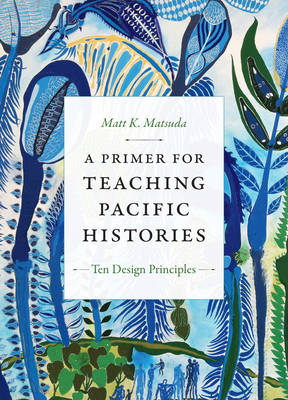
A Primer for Teaching Pacific Histories is a guide for college and high school teachers who are teaching Pacific histories for the first time or for experienced teachers who want to reinvigorate their courses. It can also serve those who are training future teachers to prepare their own syllabi, as well as teachers who want to incorporate Pacific histories into their world history courses. Matt K. Matsuda offers design principles for creating syllabi that will help students navigate a wide range of topics, from settler colonialism, national liberation, and warfare to tourism, popular culture, and identity. He also discusses practical pedagogical techniques and tips, project-based assignments, digital resources, and how Pacific approaches to teaching history differ from customary Western practices. Placing the Pacific Islands at the center of analysis, Matsuda draws readers into the process of strategically designing courses that will challenge students to think critically about the interconnected histories of East Asia, Southeast Asia, Australia, the Pacific Islands, and the Americas within a global framework.
Specificaties
Betrokkenen
- Auteur(s):
- Uitgeverij:
Inhoud
- Aantal bladzijden:
- 184
- Taal:
- Engels
- Reeks:
Eigenschappen
- Productcode (EAN):
- 9781478007951
- Verschijningsdatum:
- 22/05/2020
- Uitvoering:
- Hardcover
- Formaat:
- Genaaid
- Afmetingen:
- 157 mm x 234 mm
- Gewicht:
- 358 g


Alleen bij Standaard Boekhandel
+ 366 punten op je klantenkaart van Standaard Boekhandel
Cadeau

AANGERADEN


Beoordelingen
We publiceren alleen reviews die voldoen aan de voorwaarden voor reviews. Bekijk onze voorwaarden voor reviews.