


- Afhalen na 1 uur in een winkel met voorraad
- Gratis thuislevering in België vanaf € 30
- Ruim aanbod met 7 miljoen producten
- Afhalen na 1 uur in een winkel met voorraad
- Gratis thuislevering in België vanaf € 30
- Ruim aanbod met 7 miljoen producten





€ 39,00
+ 78 punten
Omschrijving
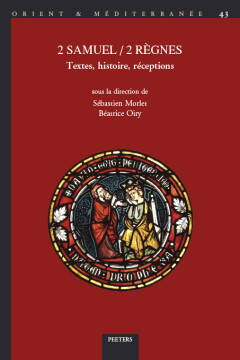
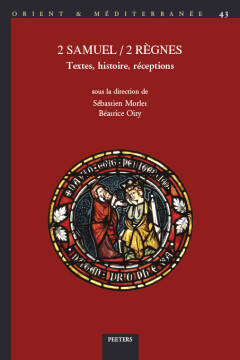
Le deuxième livre de Samuel («II Règnes» dans la Septante) est consacré à l’arrivée au pouvoir et au règne du roi David, événement central dans l’histoire de la royauté en Israël. Le texte, transmis en différents états (texte massorétique, fragments qumrâniens, plusieurs traductions grecques, latines et orientales), fait partie des «livres historiques» de la Bible et présente à cet égard une valeur documentaire considérable et en même temps problématique. Cet ouvrage croise les approches des philologues, des historiens, des spécialistes de l’exégèse, sur l’histoire du texte et sur ses réceptions jusqu’à l’époque contemporaine.
The second book of Samuel (“II Kingdoms” in the Septuagint) is devoted to the coming to power and reign of King David, a central event in the history of kingship in Israel. The text, which has been handed down in various states (Massoretic text, Qumran fragments, several Greek, Latin and Oriental translations), is one of the “historical books” of the Bible and, in this respect, is of considerable documentary value, as well as being problematic. This book brings together the approaches of philologists, historians and specialists in exegesis, on the history of the text and its reception up to the present day.
The second book of Samuel (“II Kingdoms” in the Septuagint) is devoted to the coming to power and reign of King David, a central event in the history of kingship in Israel. The text, which has been handed down in various states (Massoretic text, Qumran fragments, several Greek, Latin and Oriental translations), is one of the “historical books” of the Bible and, in this respect, is of considerable documentary value, as well as being problematic. This book brings together the approaches of philologists, historians and specialists in exegesis, on the history of the text and its reception up to the present day.
Specificaties
Betrokkenen
- Auteur(s):
- Uitgeverij:
Inhoud
- Aantal bladzijden:
- 229
- Taal:
- Frans
- Reeks:
- Reeksnummer:
- nr. 43
Eigenschappen
- Productcode (EAN):
- 9789042952881
- Verschijningsdatum:
- 31/12/2023
- Uitvoering:
- Paperback
- Formaat:
- Trade paperback (VS)
- Afmetingen:
- 16 cm x 2 cm
- Gewicht:
- 1133 kg


Alleen bij Standaard Boekhandel
+ 78 punten op je klantenkaart van Standaard Boekhandel
Cadeau

AANGERADEN


Beoordelingen
We publiceren alleen reviews die voldoen aan de voorwaarden voor reviews. Bekijk onze voorwaarden voor reviews.