


- Afhalen na 1 uur in een winkel met voorraad
- Gratis thuislevering in België vanaf € 30
- Ruim aanbod met 7 miljoen producten
- Afhalen na 1 uur in een winkel met voorraad
- Gratis thuislevering in België vanaf € 30
- Ruim aanbod met 7 miljoen producten




€ 222,60
+ 445 punten
Omschrijving
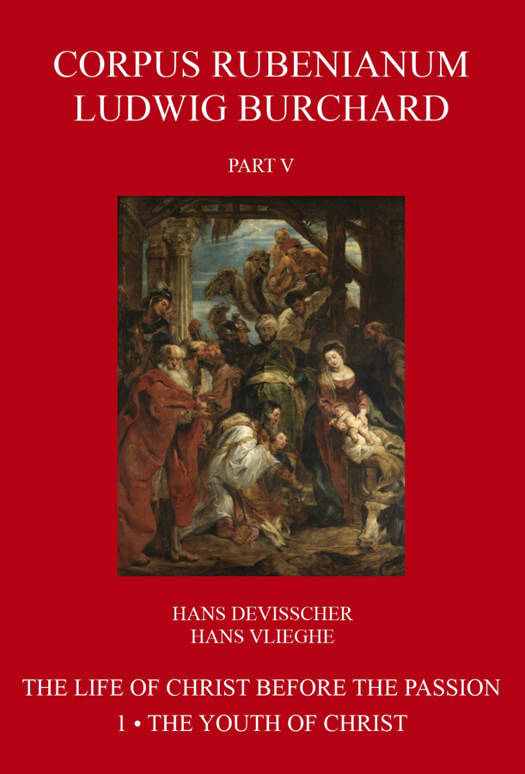
The paintings that Rubens devoted to the theme of the youth of Christ are among the most impressive and influential examples of art that expressed Roman Catholic spirituality as reasserted at the Council of Trent. The vast majority of these works are his numerous images of the Adoration of the Shepherds and the Adoration of the Magi. The oldest sources for these and other scenes from Christ's youth are of course the accounts of the Gospels, but these were usefully completed by several supplementary descriptions, more especially the Apocrypha, patristic literature, and the pious legends woven around the birth of Christ in the course of the Middle Ages. In his interpretations of the scenes from Christ's youth, Rubens built to a large extent on a pictorial tradition that had developed in the Low Countries and Italy in the fifteenth and sixteenth centuries, in which mediaeval views and patterns originating from Northern Europe had merged with those of the Italian Renaissance. In Rubens's representations of scenes from Christ's youth, and especially in his many interpretations of the themes of the Adoration of the Shepherds and the Adoration of the Magi, the ideas of Counter-Reformation iconography found their most explicit embodiment in the clear Eucharistic connotations that are present in these works.
Specificaties
Betrokkenen
- Auteur(s):
- Uitgeverij:
Inhoud
- Aantal bladzijden:
- 560
- Taal:
- Engels
- Reeks:
Eigenschappen
- Productcode (EAN):
- 9781872501710
- Verschijningsdatum:
- 23/02/2015
- Uitvoering:
- Hardcover
- Formaat:
- Genaaid
- Afmetingen:
- 179 mm x 264 mm
- Gewicht:
- 2212 g


Alleen bij Standaard Boekhandel
+ 445 punten op je klantenkaart van Standaard Boekhandel
AANGERADEN


Beoordelingen
We publiceren alleen reviews die voldoen aan de voorwaarden voor reviews. Bekijk onze voorwaarden voor reviews.