


- Afhalen na 1 uur in een winkel met voorraad
- Gratis thuislevering in België vanaf € 30
- Ruim aanbod met 7 miljoen producten
- Afhalen na 1 uur in een winkel met voorraad
- Gratis thuislevering in België vanaf € 30
- Ruim aanbod met 7 miljoen producten





€ 271,45
+ 542 punten
Omschrijving
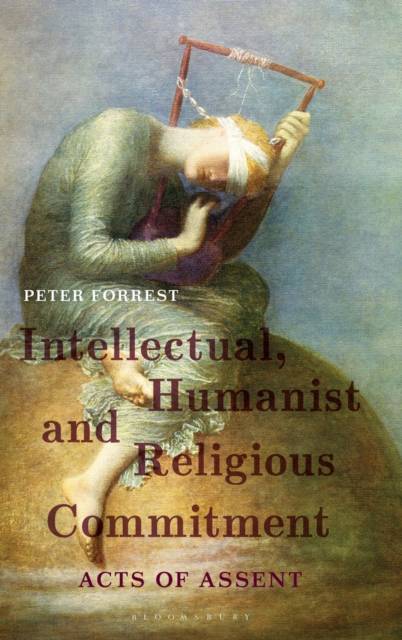
This book offers a rigorous analysis of why commitment matters and the challenges it presents to a range of believers.
Peter Forrest treats commitment as a response to lost innocence. He considers the intellectual consequences of this by demonstrating why, for example, we should not believe in angels. He then explores why humans are attached to reason and to humanism, recognising the different commitments made by theist and non-theist humanists. Finally, he analyses religious faith, specifically fideism, defining it by way of contrast to Descartes, Pascal and William James, as well as contemporary philosophers including John Schellenberg and Lara Buchak. Of particular interest to scholars working on the philosophy of religion, the book makes the case both for and against committing to God, recognising that God's divine character sets up an emotional rather than an intellectual barrier to commitment to worship.Specificaties
Betrokkenen
- Auteur(s):
- Uitgeverij:
Inhoud
- Aantal bladzijden:
- 224
- Taal:
- Engels
Eigenschappen
- Productcode (EAN):
- 9781350097711
- Verschijningsdatum:
- 25/07/2019
- Uitvoering:
- Hardcover
- Formaat:
- Genaaid
- Afmetingen:
- 160 mm x 236 mm
- Gewicht:
- 521 g


Alleen bij Standaard Boekhandel
+ 542 punten op je klantenkaart van Standaard Boekhandel
AANGERADEN


Beoordelingen
We publiceren alleen reviews die voldoen aan de voorwaarden voor reviews. Bekijk onze voorwaarden voor reviews.