


- Afhalen na 1 uur in een winkel met voorraad
- Gratis thuislevering in België vanaf € 30
- Ruim aanbod met 7 miljoen producten
- Afhalen na 1 uur in een winkel met voorraad
- Gratis thuislevering in België vanaf € 30
- Ruim aanbod met 7 miljoen producten





€ 180,20
+ 360 punten
Omschrijving
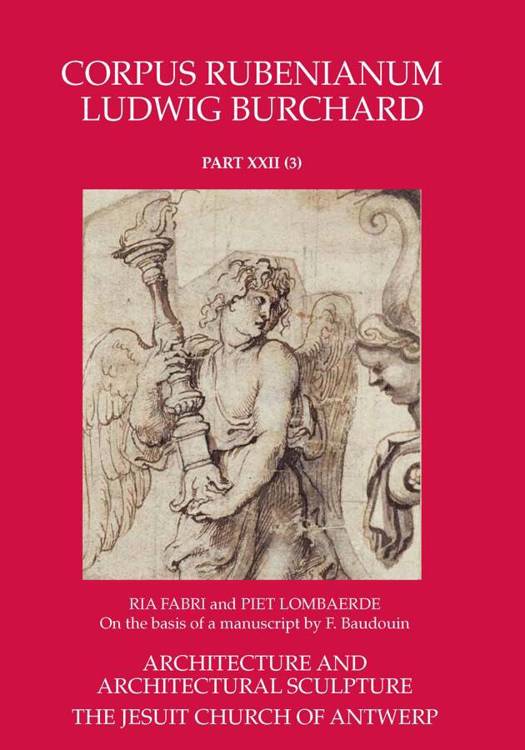
By the time of its completion in 1621, the former Jesuit church in Antwerp was one of the most brilliant achievements in the Southern Netherlands, particularly due to the ceiling paintings after Rubens' designs and his two altarpieces. Nevertheless, from the seventeenth century to the present day, the precise extent of Rubens' involvement in the architecture and the architectural sculpture of the church has been a point of discussion. Rubens was in close contact with the Jesuit Francois de Aguilon, designer of the ground plan of the Antwerp Jesuit church, and with lay brother Pieter Huyssens who made most of the drawings for the church. Known to be by Rubens' hand are a limited number of drawings and a sketch in oil for architectural ornaments and sculptures that relate both to the exterior and to the interior of the structure. Despite its numerous restorations, the iconographic scheme of the church is even today visibly influenced by Rubens' jaunty visual language which goes back to examples of ancient antiquity and its Christian interpretations in early Baroque churches in Rome. Some of the church's decorative designs were also modelled after works by contemporary Italian artists such as Cherubino Alberti. In this critical catalogue, the design drawings and oil sketches attributed to Rubens, a number of which later served as models for religious as well as profane architectural decoration, including that of Cardinal-Infant Ferdinand's Pompa Introitus in 1635, are extensively discussed.
Specificaties
Betrokkenen
- Auteur(s):
- Uitgeverij:
Inhoud
- Aantal bladzijden:
- 370
- Taal:
- Engels
- Reeks:
Eigenschappen
- Productcode (EAN):
- 9781909400979
- Verschijningsdatum:
- 30/09/2018
- Uitvoering:
- Hardcover
- Formaat:
- Genaaid
- Afmetingen:
- 180 mm x 267 mm
- Gewicht:
- 1406 g


Alleen bij Standaard Boekhandel
+ 360 punten op je klantenkaart van Standaard Boekhandel
Cadeau

AANGERADEN


Beoordelingen
We publiceren alleen reviews die voldoen aan de voorwaarden voor reviews. Bekijk onze voorwaarden voor reviews.