


- Afhalen na 1 uur in een winkel met voorraad
- Gratis thuislevering in België vanaf € 30
- Ruim aanbod met 7 miljoen producten
- Afhalen na 1 uur in een winkel met voorraad
- Gratis thuislevering in België vanaf € 30
- Ruim aanbod met 7 miljoen producten





Reeksen: boeken uit de reeks Architectura Moderna

-
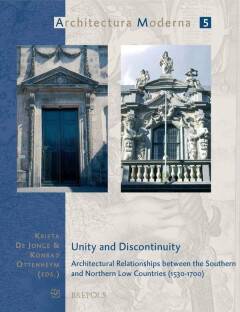
Unity and Discontinuity
Krista De Jonge
- Paperback | Engels | Architectura Moderna | nr. 5
- This study focuses on change and continuity within the architecture of the Southern and Northern Low Countries from 1530 to 1700. Instead of looking a... Lees meer
€ 58,30€ 58,30 -

A Noble Nomad?
Sanne Maekelberg
- Paperback | Engels | Architectura Moderna | nr. 15
- Charles III of Croÿ, Duke of Aarschot, was one of the highest noblemen of the Low Countries and a foremost patron of the arts and architecture, a mili... Lees meer
€ 106,00€ 106,00 -
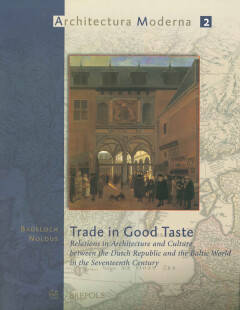
Trade in Good Taste
Badeloch Noldus
- Paperback | Engels | Architectura Moderna | nr. 2
- During the seventeenth century Dutch influence on the Baltic region, both economic and aesthetic, was unrivaled. In the wake of the Dutch monopoly on ... Lees meer
€ 47,70€ 47,70 -
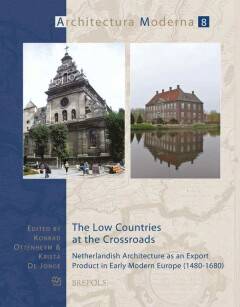
The Low Countries at the Crossroads
K.A. Ottenheym
- Paperback | Engels | Architectura Moderna | nr. 8
- This book focuses on the diffusion of architectural inventions from the Low Countries to other parts of Europe from the late fifteenth until the end o... Lees meer
€ 164,30€ 164,30 -
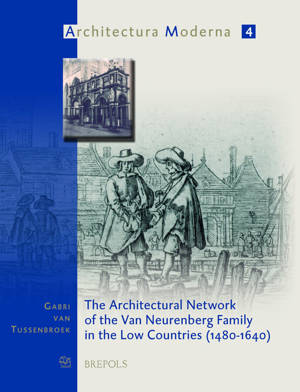
The Architectural Network of the Van Neurenberg Family in the Low Countries, 1480-1640
Gabri Van Tussenbroek
- Paperback | Engels | Architectura Moderna | nr. 4
- Stone traders initially based in the Meuse valley, the Van Neurenberg family expanded northwards to Nijmegen and Dordrecht from 1530 on, becoming an i... Lees meer
€ 47,70€ 47,70 -
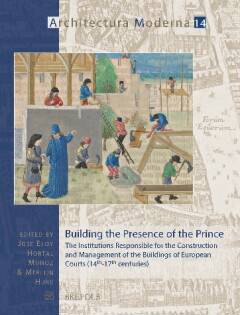
Building the Presence of the Prince
José Eloy Hortal Munoz
- Paperback | Engels | Architectura Moderna | nr. 14
- By the late Middle Ages, architecture became an increasingly important means of representation of princely rule and institutions. In addition to their... Lees meer
€ 115,54€ 115,54 -
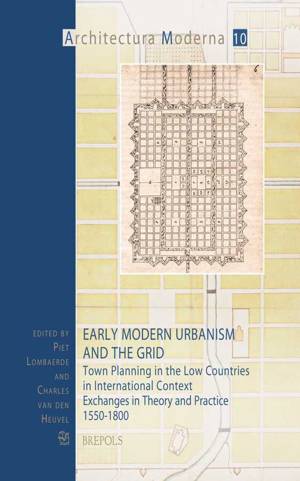
Early Modern Urbanism and the Grid
Piet Lombaerde
- Paperback | Engels | Architectura Moderna | nr. 10
- From the late sixteenth century until around 1800, new ideas and practices of urban planningand the implementation of public buildings, water works an... Lees meer
€ 79,50€ 79,50 -
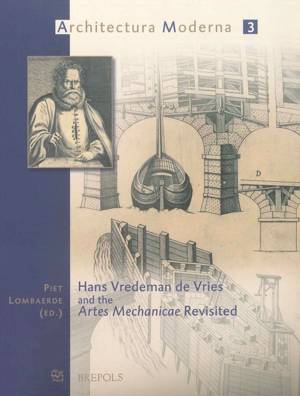
Hans Vredeman de Vries and the Artes Mechanicae Revisited
Piet Lombaerde
- Paperback | Engels | Architectura Moderna | nr. 3
- In this publication, attention is devoted to the technical aspects in the work of Hans Vredeman de Vries. Throughout his long career, he has perfected... Lees meer
€ 79,50€ 79,50 -
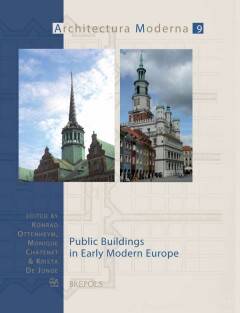
Public Buildings in Early Modern Europe
Ottenheym Konrad
- Paperback | Engels | Architectura Moderna | nr. 9
- In the early modern European city, public buildings were the main pillars of the political, mercantile and social infrastructure. In a first attempt t... Lees meer
€ 116,60€ 116,60 -
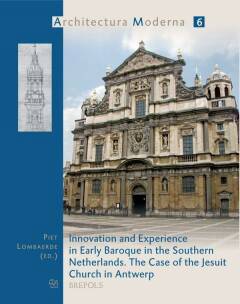
Innovation and Experience in Early Baroque in the Southern Netherlands. the Case of the Jesuit Church in Antwerp
Piet Lombaerde
- Paperback | Engels | Architectura Moderna | nr. 6
- During the sixteenth century Antwerp was at the forefront of the Renaissance north of the Alps. Not only a new architectural style flourished in the A... Lees meer
€ 90,10€ 90,10 -
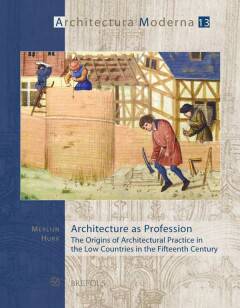
Architecture as Profession
Merlijn Hurx
- Paperback | Engels | Architectura Moderna | nr. 13
- Fifteenth-century Florence is generally considered the cradle of the modern architect. There, for the first time since Antiquity, the Vitruvian concep... Lees meer
€ 137,80€ 137,80 -
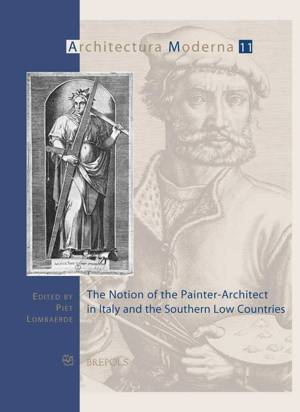
The Notion of the Painter-Architect in Italy and the Southern Low Countries
Piet Lombaerde
- Paperback | Engels | Architectura Moderna | nr. 11
- Since the time of Vitruvius, architects have been expected to have a broad knowledge of the arts and sciences. The need for good skills in sketching a... Lees meer
€ 121,90€ 121,90 -
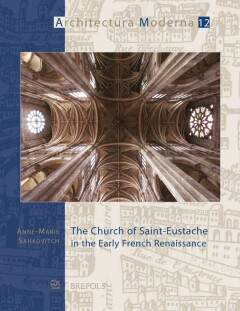
The Church of Saint-Eustache in the Early French Renaissance
Anne-Marie Sankovitch
- Paperback | Engels | Architectura Moderna | nr. 12
- Considered the most important French Renaissance church, Saint-Eustache in Paris has long remained an enigma. What new circumstances allowed its paris... Lees meer
€ 127,20€ 127,20 -
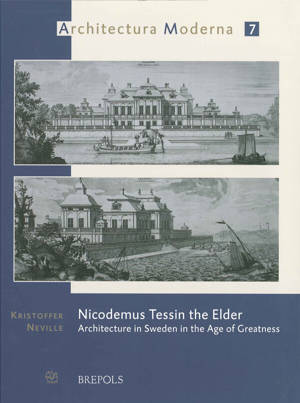
Nicodemus Tessin the Elder
Kristoffer Neville
- Paperback | Engels | Architectura Moderna | nr. 7
- Nicodemus Tessin the Elder was an architect, gentleman, and founder of the artistic dynasty that was immensely influential at the Swedish court in the... Lees meer
€ 106,00€ 106,00
14 van 14 resultaten getoond