


- Afhalen na 1 uur in een winkel met voorraad
- Gratis thuislevering in België vanaf € 30
- Ruim aanbod met 7 miljoen producten
- Afhalen na 1 uur in een winkel met voorraad
- Gratis thuislevering in België vanaf € 30
- Ruim aanbod met 7 miljoen producten





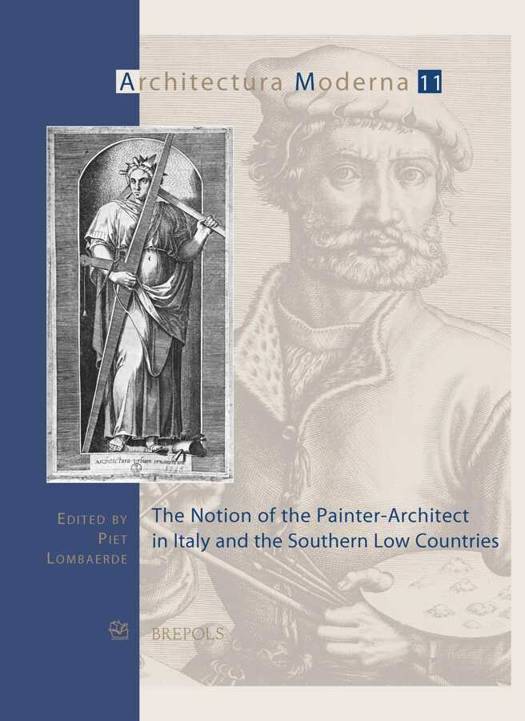
The Notion of the Painter-Architect in Italy and the Southern Low Countries
Piet Lombaerde
€ 121,90
+ 243 punten
Omschrijving
Since the time of Vitruvius, architects have been expected to have a broad knowledge of the arts and sciences. The need for good skills in sketching and working up drawings even led, from the sixteenth century onwards, to fierce debates on the meaning and status of 'disegno'. While Italy saw the emergence of famous painters who excelled as architects, also in the Southern Netherlands the notion that an architect must also have a mastery of the painter's art became widespread, owing in part to the dissemination of publications by Sebastiano Serlio and Pieter Coecke van Aelst. In the seventeenth century, Peter Paul Rubens was able to make his own contribution to this discussion as a consequence of his sojourns in Italy (1601-1608). Bringing together distinguished art and architecture historians from Europe and North America, this interdisciplinary approach will shed light on the interrelationship of architecture and painting in the Southern Netherlands.
Specificaties
Betrokkenen
- Auteur(s):
- Uitgeverij:
Inhoud
- Aantal bladzijden:
- 335
- Taal:
- Engels
- Reeks:
- Reeksnummer:
- nr. 11
Eigenschappen
- Productcode (EAN):
- 9782503548500
- Verschijningsdatum:
- 12/03/2014
- Uitvoering:
- Paperback
- Formaat:
- Trade paperback (VS)
- Afmetingen:
- 221 mm x 279 mm
- Gewicht:
- 1238 g


Alleen bij Standaard Boekhandel
+ 243 punten op je klantenkaart van Standaard Boekhandel
Cadeau

AANGERADEN


Beoordelingen
We publiceren alleen reviews die voldoen aan de voorwaarden voor reviews. Bekijk onze voorwaarden voor reviews.