


- Afhalen na 1 uur in een winkel met voorraad
- Gratis thuislevering in België vanaf € 30
- Ruim aanbod met 7 miljoen producten
- Afhalen na 1 uur in een winkel met voorraad
- Gratis thuislevering in België vanaf € 30
- Ruim aanbod met 7 miljoen producten





€ 186,95
+ 373 punten
Uitvoering
Omschrijving
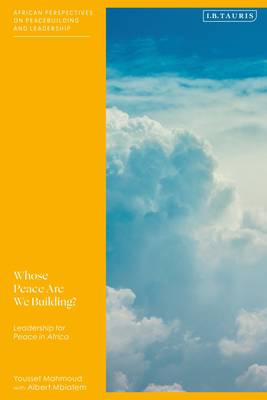
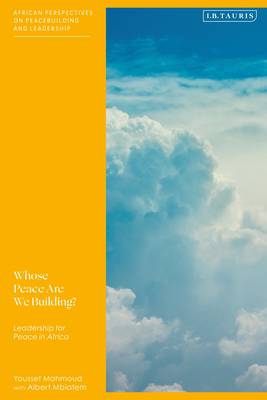
What is the relationship between leadership and peace? What kind of leadership styles, processes and strategies are required to gain a deeper understanding of local context while at the same time maintaining the trust and cooperation of host authorities and other stakeholders on the ground? As concerns mount about the continued relevance and efficiency of UN peace operations, Youssef Mahmoud - who led several challenging peace missions in Africa - draws on many years of experience to offer insights into how political leadership might be exercised to help restore and nurture peace.
Mahmoud makes the case for a paradigm shift in the type of leadership required to bring about strong, global diplomacy for peace. Making extensive use of the authors' unique personal experiences in Burundi, Central African Republic and Chad, the book offers an unparalleled insight into the leadership challenges of complex and often seemingly intractable conflict situations.Specificaties
Betrokkenen
- Auteur(s):
- Uitgeverij:
Inhoud
- Aantal bladzijden:
- 216
- Taal:
- Engels
- Reeks:
Eigenschappen
- Productcode (EAN):
- 9780755618545
- Verschijningsdatum:
- 11/03/2021
- Uitvoering:
- Hardcover
- Formaat:
- Genaaid
- Afmetingen:
- 156 mm x 234 mm
- Gewicht:
- 476 g


Alleen bij Standaard Boekhandel
+ 373 punten op je klantenkaart van Standaard Boekhandel
Cadeau

AANGERADEN


Beoordelingen
We publiceren alleen reviews die voldoen aan de voorwaarden voor reviews. Bekijk onze voorwaarden voor reviews.