


- Afhalen na 1 uur in een winkel met voorraad
- Gratis thuislevering in België vanaf € 30
- Ruim aanbod met 7 miljoen producten
- Afhalen na 1 uur in een winkel met voorraad
- Gratis thuislevering in België vanaf € 30
- Ruim aanbod met 7 miljoen producten





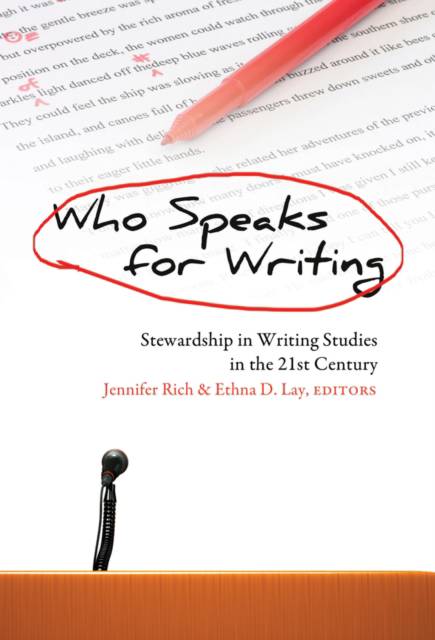
Who Speaks for Writing
Stewardship in Writing Studies in the 21st Century
€ 211,45
+ 422 punten
Omschrijving
Who Speaks for Writing confronts a range of current debates about stewardship in writing studies in the 21st century.
In recent years, writing studies has become more and more institutionalized in departments, programs, and majors. Specializations within the discipline have proliferated as have moments of collaboration. These circumstances make an exploration and understanding of the stakes in this burgeoning field important.
The authors represent a broad range of expertise and specialization in the field, and they seek to answer questions not only about the current ownership of writing studies but also about the theoretical and practical applications of this ownership. Their chapters offer new directions for composition theorists, teachers, and administrators for the 21st century.
In recent years, writing studies has become more and more institutionalized in departments, programs, and majors. Specializations within the discipline have proliferated as have moments of collaboration. These circumstances make an exploration and understanding of the stakes in this burgeoning field important.
The authors represent a broad range of expertise and specialization in the field, and they seek to answer questions not only about the current ownership of writing studies but also about the theoretical and practical applications of this ownership. Their chapters offer new directions for composition theorists, teachers, and administrators for the 21st century.
Specificaties
Betrokkenen
- Uitgeverij:
Inhoud
- Aantal bladzijden:
- 205
- Taal:
- Engels
- Reeks:
- Reeksnummer:
- nr. 8
Eigenschappen
- Productcode (EAN):
- 9781433114878
- Verschijningsdatum:
- 29/02/2012
- Uitvoering:
- Hardcover
- Formaat:
- Genaaid
- Afmetingen:
- 152 mm x 229 mm
- Gewicht:
- 458 g

Alleen bij Standaard Boekhandel
+ 422 punten op je klantenkaart van Standaard Boekhandel
Cadeau

AANGERADEN


Beoordelingen
We publiceren alleen reviews die voldoen aan de voorwaarden voor reviews. Bekijk onze voorwaarden voor reviews.