


- Afhalen na 1 uur in een winkel met voorraad
- Gratis thuislevering in België vanaf € 30
- Ruim aanbod met 7 miljoen producten
- Afhalen na 1 uur in een winkel met voorraad
- Gratis thuislevering in België vanaf € 30
- Ruim aanbod met 7 miljoen producten





Omschrijving
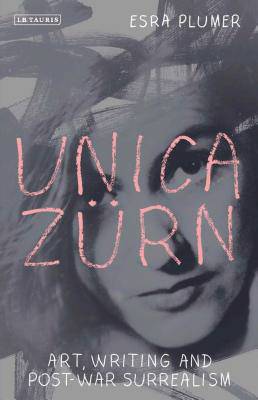
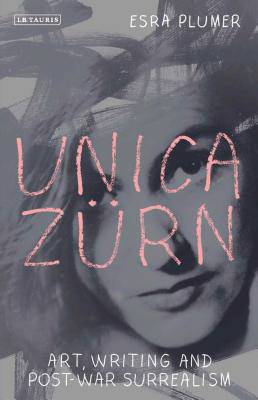
Diagnosed with schizophrenia in the 1950s, German writer and artist Unica Zurn produced a wealth of remarkable textual and visual material within psychiatric institutions across Germany and France. While Zurn is often discussed in relation to her partner, the controversial artist Hans Bellmer, this innovative book moves beyond the familiar model of the overlooked 'significant other' and re-introduces her as a member of the French Surrealist group. This is the first monograph on the life and work of the Unica Zurn in English. Esra Plumer presents Zurn's life and work in light of the artist's individual experiences with WWII, Post-war Surrealism and mental illness, at the same time revealing wider aspects of her artistic practice in relation to her contemporaries. She also reveals how the techniques of anagrams and automatism (writing and drawing methods designed to unlock the subconscious mind) form the pillars of Zurn's artistic creative output, which carry her work into the wider theoretical circles of psychoanalytic theory and post-structuralist thought.
Specificaties
Betrokkenen
- Auteur(s):
- Uitgeverij:
Inhoud
- Aantal bladzijden:
- 272
- Taal:
- Engels
- Reeks:
Eigenschappen
- Productcode (EAN):
- 9781784530365
- Verschijningsdatum:
- 30/03/2016
- Uitvoering:
- Hardcover
- Formaat:
- Genaaid
- Afmetingen:
- 140 mm x 216 mm
- Gewicht:
- 453 g


Alleen bij Standaard Boekhandel
+ 593 punten op je klantenkaart van Standaard Boekhandel
Cadeau

AANGERADEN


Beoordelingen
We publiceren alleen reviews die voldoen aan de voorwaarden voor reviews. Bekijk onze voorwaarden voor reviews.