



Bedankt voor het vertrouwen het afgelopen jaar! Om jou te bedanken bieden we GRATIS verzending (in België) aan op alles gedurende de hele maand januari.
- Afhalen na 1 uur in een winkel met voorraad
- In januari gratis thuislevering in België
- Ruim aanbod met 7 miljoen producten
Bedankt voor het vertrouwen het afgelopen jaar! Om jou te bedanken bieden we GRATIS verzending (in België) aan op alles gedurende de hele maand januari.
- Afhalen na 1 uur in een winkel met voorraad
- In januari gratis thuislevering in België
- Ruim aanbod met 7 miljoen producten





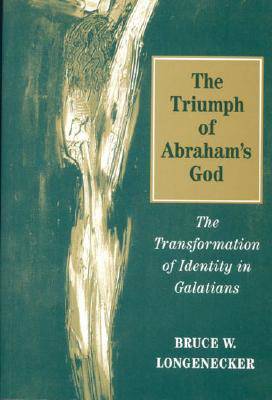
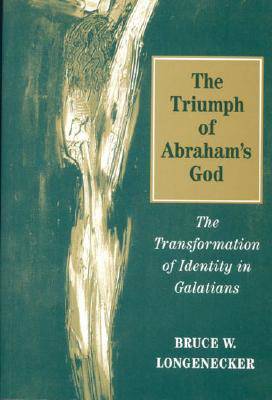
Triumph of Abraham's God
The Transformation Of Identity In Galatians
Bruce Longenecker
Paperback | Engels
€ 186,95
+ 373 punten
Omschrijving
Bruce Longenecker explores Paul's theology of divine triumph in Galatians.
Paul envisaged God's transforming power against a background of Christian social interaction. He calls his Galatian hearers to a life of transformed existence through the power of the Spirit. Christian moral identity arises out of the faithfulness of Christ - a feature crucial to the theological and corporate enterprise that Paul envisages.
Longenecker conveys the importance of ethics and Christian moral identity in Paul's vision. He explores the 'apocalyptic' dimension of Paul's theology, and explains it in relation to 'Lutheran' and 'new' perspectives on Paul. And he demonstrates how Paul in Galatians may provide an important resource for contemporary theology concerning Christian identity and modern society.
Paul envisaged God's transforming power against a background of Christian social interaction. He calls his Galatian hearers to a life of transformed existence through the power of the Spirit. Christian moral identity arises out of the faithfulness of Christ - a feature crucial to the theological and corporate enterprise that Paul envisages.
Longenecker conveys the importance of ethics and Christian moral identity in Paul's vision. He explores the 'apocalyptic' dimension of Paul's theology, and explains it in relation to 'Lutheran' and 'new' perspectives on Paul. And he demonstrates how Paul in Galatians may provide an important resource for contemporary theology concerning Christian identity and modern society.
Specificaties
Betrokkenen
- Auteur(s):
- Uitgeverij:
Inhoud
- Aantal bladzijden:
- 453
- Taal:
- Engels
Eigenschappen
- Productcode (EAN):
- 9780567086174
- Verschijningsdatum:
- 1/01/2001
- Uitvoering:
- Paperback
- Formaat:
- Trade paperback (VS)
- Afmetingen:
- 140 mm x 216 mm
- Gewicht:
- 294 g


Alleen bij Standaard Boekhandel
+ 373 punten op je klantenkaart van Standaard Boekhandel
SOLDEN


Beoordelingen
We publiceren alleen reviews die voldoen aan de voorwaarden voor reviews. Bekijk onze voorwaarden voor reviews.