


- Afhalen na 1 uur in een winkel met voorraad
- Gratis thuislevering in België vanaf € 30
- Ruim aanbod met 7 miljoen producten
- Afhalen na 1 uur in een winkel met voorraad
- Gratis thuislevering in België vanaf € 30
- Ruim aanbod met 7 miljoen producten





€ 24,45
+ 48 punten
Omschrijving
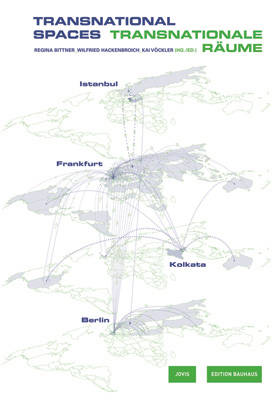
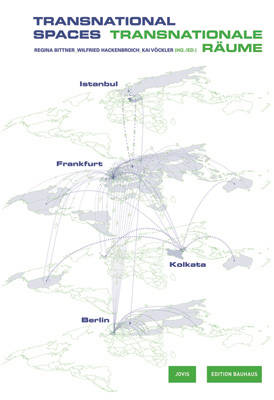
In this era of economic globalization, multimedia communication and cross-border migration, cities increasingly consist of parallel worlds. Different urban cultures and practices immediately confront each other. Call centers, informal markets, sprawling communities, new diaspora and transitory lifestyles represent trans-national spaces in urban centers whose cultural, economic and social activities are no longer confined to their localities. How do planning and architecture react when their central point of reference loses its clear nature and thus its identity? Using concrete examples, this volume, culled from the 2004-2005 Bauhaus Program, examines the unique spatial configurations that emerge from the tensions and conflicts of the trans-national city, and attempts to work out strategies for solving the problems of urban development. Specific subjects, considered in terms of design, architecture and art, include call centers in Calcutta, refugee dormitories in Berlin, markets in Istanbul, a drilling rig in the North Sea and Frankfurt's International airport, among others.
Specificaties
Betrokkenen
- Uitgeverij:
Inhoud
- Aantal bladzijden:
- 176
- Taal:
- Duits, Engels
- Reeks:
- Reeksnummer:
- nr. 25
Eigenschappen
- Productcode (EAN):
- 9783936314854
- Verschijningsdatum:
- 1/04/2007
- Uitvoering:
- Paperback
- Formaat:
- Trade paperback (VS)
- Afmetingen:
- 166 mm x 243 mm
- Gewicht:
- 616 g

Alleen bij Standaard Boekhandel
+ 48 punten op je klantenkaart van Standaard Boekhandel
Cadeau

AANGERADEN


Beoordelingen
We publiceren alleen reviews die voldoen aan de voorwaarden voor reviews. Bekijk onze voorwaarden voor reviews.