


- Afhalen na 1 uur in een winkel met voorraad
- Gratis thuislevering in België vanaf € 30
- Ruim aanbod met 7 miljoen producten
- Afhalen na 1 uur in een winkel met voorraad
- Gratis thuislevering in België vanaf € 30
- Ruim aanbod met 7 miljoen producten





Omschrijving
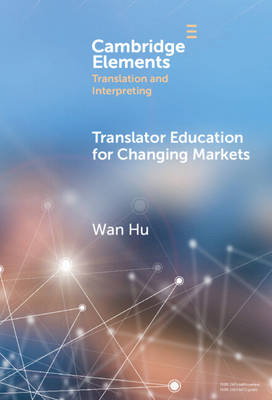
This Element explores transformations of translator education in the context of market forces and digital advancements. It firstly examines complex interactions among the translation industry's trends, notably the increasing role of AI in performing translation tasks that humans traditionally did, evolving market demands and specialised needs of the workplace. Based on this, this Element evaluates how university curricula reflect these transformations, including the pedagogical approaches in translator education that integrate university standards with professional competence. The crux of the discussion centres on the interplay between university education and graduates' employment readiness in changing markets. Finally, after synthesising existing translation competence models, the Element culminates with a revised framework for translation competence. This framework moves beyond a focus on skills transfer or textual negotiation to encompass the diverse competencies required of future translators across various professional contexts, ensuring that translator education remains impactful amid ongoing technological and market changes.
Specificaties
Betrokkenen
- Auteur(s):
- Uitgeverij:
Inhoud
- Aantal bladzijden:
- 75
- Taal:
- Engels
- Reeks:
Eigenschappen
- Productcode (EAN):
- 9781009657693
- Verschijningsdatum:
- 31/05/2026
- Uitvoering:
- Hardcover
- Formaat:
- Genaaid


Alleen bij Standaard Boekhandel
+ 158 punten op je klantenkaart van Standaard Boekhandel
Cadeau

AANGERADEN


Beoordelingen
We publiceren alleen reviews die voldoen aan de voorwaarden voor reviews. Bekijk onze voorwaarden voor reviews.