


- Afhalen na 1 uur in een winkel met voorraad
- Gratis thuislevering in België vanaf € 30
- Ruim aanbod met 7 miljoen producten
- Afhalen na 1 uur in een winkel met voorraad
- Gratis thuislevering in België vanaf € 30
- Ruim aanbod met 7 miljoen producten





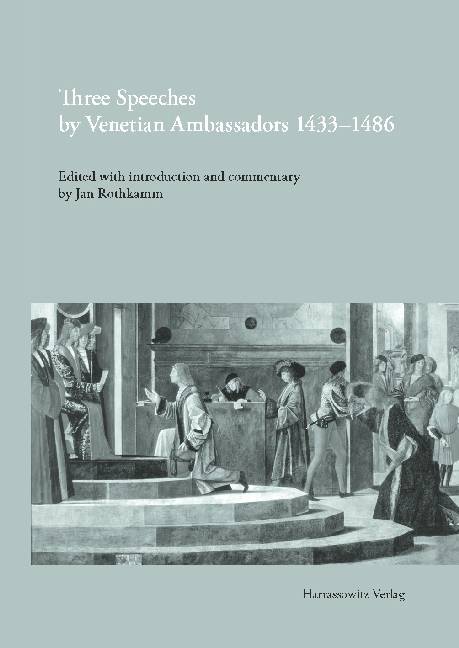
Three Speeches by Venetian Ambassadors 1433-1486
€ 109,95
+ 219 punten
Omschrijving
In an age characterized by the intensification of diplomatic relations on the one hand and a renewed interest in classical antiquity on the other, ambassadors were expected to present an elaborated Latin speech on arrival at their destination. There is no consensus among scholars as to whether these orations were purely ceremonial or of greater relevance for the mission in question and the wider political and intellectual context. This book proposes to revisit the genre. It offers a selection of three speeches delivered by ambassadors of a state of particular importance at the time, the Republic of Venice, and addressed to representatives of territories situated north of the Alps, sc. the Holy Roman Empire and France. The text comes in the format of a modern, critical edition, and is based on a fresh collation of all available manuscript and printed evidence. Emphasis is laid upon the first or initial version supposed to be the one actually presented. Separate introductions to each speech provide information about the general historical context, the specific circumstances of the mission, as well as the educational background and stylistic preferences of each author. The commentary is mainly intended to make the experience of studying the speeches in the original as rewarding and comfortable as possible: an ample collection of parallels from the classical corpora, including biblical and patristic sources, is supplemented by historical detail and references to contemporary literature where necessary for the understanding.
Specificaties
Betrokkenen
- Uitgeverij:
Inhoud
- Aantal bladzijden:
- 185
- Taal:
- Engels
- Reeks:
- Reeksnummer:
- nr. 54
Eigenschappen
- Productcode (EAN):
- 9783447105972
- Verschijningsdatum:
- 21/04/2016
- Uitvoering:
- Paperback
- Formaat:
- Trade paperback (VS)
- Afmetingen:
- 170 mm x 240 mm
- Gewicht:
- 839 g


Alleen bij Standaard Boekhandel
+ 219 punten op je klantenkaart van Standaard Boekhandel
AANGERADEN


Beoordelingen
We publiceren alleen reviews die voldoen aan de voorwaarden voor reviews. Bekijk onze voorwaarden voor reviews.