


- Afhalen na 1 uur in een winkel met voorraad
- Gratis thuislevering in België vanaf € 30
- Ruim aanbod met 7 miljoen producten
- Afhalen na 1 uur in een winkel met voorraad
- Gratis thuislevering in België vanaf € 30
- Ruim aanbod met 7 miljoen producten





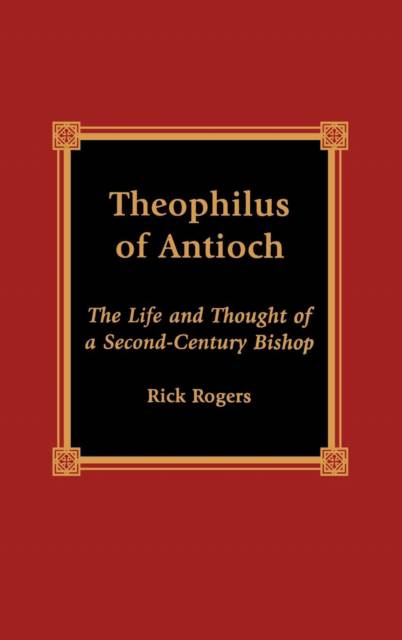
Theophilus of Antioch
The Life and Thought of a Second-Century Bishop
Rick Rogers
Hardcover | Engels
€ 220,45
+ 440 punten
Omschrijving
Theophilus of Antioch was a second-century Syrian bishop who sought to promote in three books, collectively known as Ad Autolycum, a moralistic form of Christianity. Given that this form of Christianity is generally considered by scholars as atypical within the early church, Theophilus has not received the same amount of attention as have other second-century theologians. Rick Rogers seeks to redress this gap, offering a fuller analysis of the rhetoric and focus of Theophilus's theological system as it is manifest in Ad Autolycum. Rogers concludes that Theophilus's thought may have been closer to the emphasis of Hellenistic Judaism than was any other form of New Testament or early Christianity. His book will hold strong appeal for scholars and students of early Christianity.
Specificaties
Betrokkenen
- Auteur(s):
- Uitgeverij:
Inhoud
- Aantal bladzijden:
- 208
- Taal:
- Engels
Eigenschappen
- Productcode (EAN):
- 9780739101322
- Verschijningsdatum:
- 24/05/2000
- Uitvoering:
- Hardcover
- Formaat:
- Genaaid
- Afmetingen:
- 154 mm x 229 mm
- Gewicht:
- 381 g


Alleen bij Standaard Boekhandel
+ 440 punten op je klantenkaart van Standaard Boekhandel
Cadeau

AANGERADEN


Beoordelingen
We publiceren alleen reviews die voldoen aan de voorwaarden voor reviews. Bekijk onze voorwaarden voor reviews.