


- Afhalen na 1 uur in een winkel met voorraad
- Gratis thuislevering in België vanaf € 30
- Ruim aanbod met 7 miljoen producten
- Afhalen na 1 uur in een winkel met voorraad
- Gratis thuislevering in België vanaf € 30
- Ruim aanbod met 7 miljoen producten





€ 10,84
+ 10 punten
Uitvoering
Omschrijving
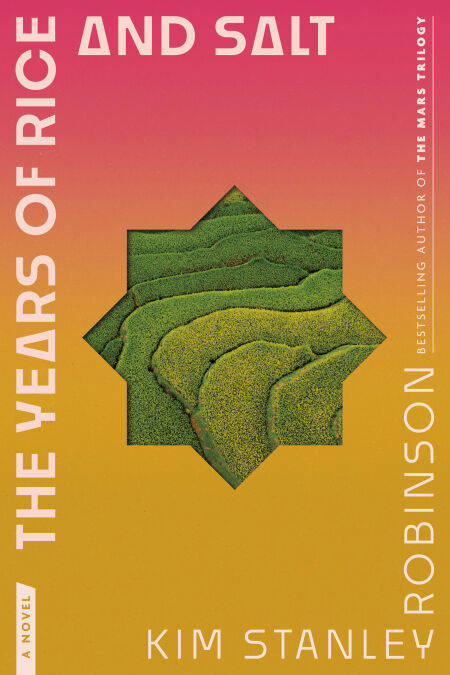
WINNER OF THE LOCUS AWARD • The bestselling author of the Mars trilogy boldly reimagines the past seven hundred years in this “exceptional and engrossing” (New York Post) saga, constructing a world vastly different from the one we know. . .
“A thoughtful, magisterial alternate history from one of science fiction’s most important writers.”—The New York Times Book Review
It is the fourteenth century and one of the most apocalyptic events in human history is set to occur—the coming of the Black Death. History teaches us that a third of Europe’s population was destroyed. But what if the plague had killed 99 percent of the population instead? How would the world have changed? The Years of Rice and Salt is a look at the history that could have been—one that stretches across centuries, sees dynasties and nations rise and crumble, and spans horrible famine and magnificent innovation.
Through the eyes of soldiers and kings, explorers and philosophers, inventors and exiles, renowned storyteller Kim Stanley Robinson navigates a world where Buddhism and Islam are the most influential and practiced religions, while Christianity is a mere historical footnote. Probing the most profound questions as only he can, Robinson shines his extraordinary light on the place of religion, culture, power—and even love—in this bold new world.
“A thoughtful, magisterial alternate history from one of science fiction’s most important writers.”—The New York Times Book Review
It is the fourteenth century and one of the most apocalyptic events in human history is set to occur—the coming of the Black Death. History teaches us that a third of Europe’s population was destroyed. But what if the plague had killed 99 percent of the population instead? How would the world have changed? The Years of Rice and Salt is a look at the history that could have been—one that stretches across centuries, sees dynasties and nations rise and crumble, and spans horrible famine and magnificent innovation.
Through the eyes of soldiers and kings, explorers and philosophers, inventors and exiles, renowned storyteller Kim Stanley Robinson navigates a world where Buddhism and Islam are the most influential and practiced religions, while Christianity is a mere historical footnote. Probing the most profound questions as only he can, Robinson shines his extraordinary light on the place of religion, culture, power—and even love—in this bold new world.
Specificaties
Betrokkenen
- Auteur(s):
- Uitgeverij:
Inhoud
- Aantal bladzijden:
- 784
- Taal:
- Engels
Eigenschappen
- Productcode (EAN):
- 9780553897609
- Verschijningsdatum:
- 2/06/2003
- Uitvoering:
- E-book
- Beveiligd met:
- Adobe DRM
- Formaat:
- ePub


Alleen bij Standaard Boekhandel
+ 10 punten op je klantenkaart van Standaard Boekhandel
Cadeau

AANGERADEN


Beoordelingen
We publiceren alleen reviews die voldoen aan de voorwaarden voor reviews. Bekijk onze voorwaarden voor reviews.