


- Afhalen na 1 uur in een winkel met voorraad
- Gratis thuislevering in België vanaf € 30
- Ruim aanbod met 7 miljoen producten
- Afhalen na 1 uur in een winkel met voorraad
- Gratis thuislevering in België vanaf € 30
- Ruim aanbod met 7 miljoen producten





€ 33,95
+ 67 punten
Uitvoering
Omschrijving
Shortlisted for the BAAL Book Prize 2017
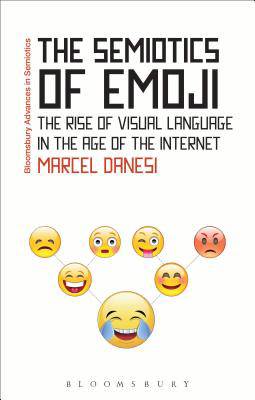
Emoji have gone from being virtually unknown to being a central topic in internet communication. What is behind the rise and rise of these winky faces, clinking glasses and smiling poos? Given the sheer variety of verbal communication on the internet and English's still-controversial role as lingua mundi for the web, these icons have emerged as a compensatory universal language.
The Semiotics of Emojilooks at what is officially the world's fastest-growing form of communication. Emoji, the colourful symbols and glyphs that represent everything from frowning disapproval to red-faced shame, are fast becoming embedded into digital communication. Controlled by a centralized body and regulated across the web, emoji seems to be a language: but is it? The rapid adoption of emoji in such a short span of time makes it a rich study in exploring the functions of language.
Professor Marcel Danesi, an internationally-known expert in semiotics, branding and communication, answers the pertinent questions. Are emoji making us dumber? Can they ultimately replace language? Will people grow up emoji literate as well as digitally native? Can there be such a thing as a Universal Visual Language? Read this book for the answers.
Emoji have gone from being virtually unknown to being a central topic in internet communication. What is behind the rise and rise of these winky faces, clinking glasses and smiling poos? Given the sheer variety of verbal communication on the internet and English's still-controversial role as lingua mundi for the web, these icons have emerged as a compensatory universal language.
The Semiotics of Emojilooks at what is officially the world's fastest-growing form of communication. Emoji, the colourful symbols and glyphs that represent everything from frowning disapproval to red-faced shame, are fast becoming embedded into digital communication. Controlled by a centralized body and regulated across the web, emoji seems to be a language: but is it? The rapid adoption of emoji in such a short span of time makes it a rich study in exploring the functions of language.
Professor Marcel Danesi, an internationally-known expert in semiotics, branding and communication, answers the pertinent questions. Are emoji making us dumber? Can they ultimately replace language? Will people grow up emoji literate as well as digitally native? Can there be such a thing as a Universal Visual Language? Read this book for the answers.
Specificaties
Betrokkenen
- Auteur(s):
- Uitgeverij:
Inhoud
- Aantal bladzijden:
- 208
- Taal:
- Engels
- Reeks:
Eigenschappen
- Productcode (EAN):
- 9781474281980
- Verschijningsdatum:
- 17/11/2016
- Uitvoering:
- Paperback
- Formaat:
- Trade paperback (VS)
- Afmetingen:
- 137 mm x 216 mm
- Gewicht:
- 226 g


Alleen bij Standaard Boekhandel
+ 67 punten op je klantenkaart van Standaard Boekhandel
Cadeau

AANGERADEN


Beoordelingen
We publiceren alleen reviews die voldoen aan de voorwaarden voor reviews. Bekijk onze voorwaarden voor reviews.