


- Afhalen na 1 uur in een winkel met voorraad
- Gratis thuislevering in België vanaf € 30
- Ruim aanbod met 7 miljoen producten
- Afhalen na 1 uur in een winkel met voorraad
- Gratis thuislevering in België vanaf € 30
- Ruim aanbod met 7 miljoen producten





€ 212,00
+ 424 punten
Eenvoudig bestellen
Veilig betalen


Gratis thuislevering vanaf € 30 (via bpost)
Gratis levering in je Standaard Boekhandel
Omschrijving
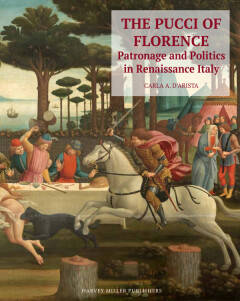
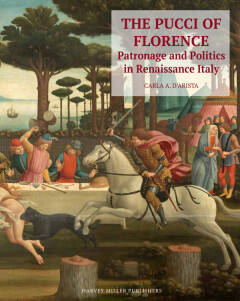
Shrewd and ruthless, the Pucci were Medici loyalists whose political and cultural alignment with the most powerful family in Renaissance Florence was rewarded with wealth and influence. The Pucci family's martial support for the Medici in the ugly business of ruling Tuscany drove their transformation from a clan of minor guildsmen to a noble dynasty with three cardinals to its name. Over the next centuries, they showcased their exalted status with art and architecture that mirrored Medici tastes and reflected the values of civic humanism. The political and religious turmoil of the High Renaissance is writ large in this vivid portrait of the Pucci cardinals and their artistic patronage, a cultural biography inflected by the expulsion of the Medici from Florence, the Sack of Rome, the Reformation, and the occupation of Italy by Emperor Charles V. New archival evidence documents the chapels, palaces, and villas that were built, expanded, and decorated by the Pucci family in Rome, Tuscany, and Umbria. These celebrated projects were carried out by luminaries of Renaissance art and architecture: Michelozzo, the Pollaiuolo brothers, the Sangallo family, Baccio d'Agnolo, the Montelupo workshop, and others. A remarkable body of inventories reveals how the family's trials and tribulations shaped the fate of their estates and illustrates the role luxury goods played in the social ambitions of this newly-arrived family. Finally, a previously unknown catalogue of Palazzo Pucci tells the tale of the nineteenth-century dispersal of the family's priceless Renaissance artworks, a collection that once paralleled the splendor of the Medici court.
Specificaties
Betrokkenen
- Auteur(s):
- Uitgeverij:
Inhoud
- Aantal bladzijden:
- 359
- Taal:
- Engels, Italiaans
- Reeks:
- Reeksnummer:
- nr. 6
Eigenschappen
- Productcode (EAN):
- 9781912554256
- Verschijningsdatum:
- 19/11/2020
- Uitvoering:
- Hardcover
- Formaat:
- Genaaid
- Afmetingen:
- 220 mm x 280 mm
- Gewicht:
- 612 g


Alleen bij Standaard Boekhandel
+ 424 punten op je klantenkaart van Standaard Boekhandel
CADEAU

AANGERADEN


Beoordelingen
We publiceren alleen reviews die voldoen aan de voorwaarden voor reviews. Bekijk onze voorwaarden voor reviews.