


- Afhalen na 1 uur in een winkel met voorraad
- Gratis thuislevering in België vanaf € 30
- Ruim aanbod met 7 miljoen producten
- Afhalen na 1 uur in een winkel met voorraad
- Gratis thuislevering in België vanaf € 30
- Ruim aanbod met 7 miljoen producten




Omschrijving
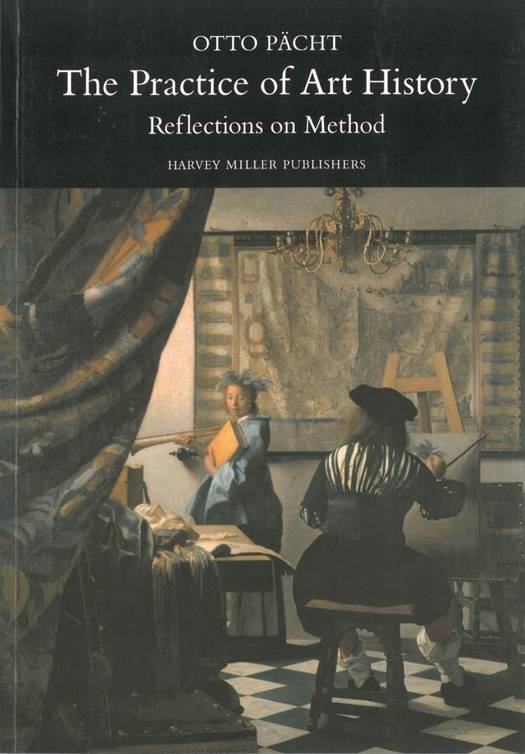
Here, for the first time in English, is Pacht's well-known, fundamental text, Methodisches zur Kunsthistorischen Praxis. Pacht's approach to art history is shaped by his conviction that visual art, like music, can say things in its own medium that cannot be said in any other. He aims to sharpen our perceptions by recreating the social and cultural context in which an object was made, clarifying unfamiliar notions of space and time or significant gestures and symbols which are no longer recognizable. Each part of Pacht's analysis is illustrated by reference to a specific manuscript, painting, building or sculpture, and his examples range from medieval and Renaissance art through to the works of Rembrandt. He explores the theories of major thinkers from Riegl, Wolfflin and Croce to Panofsky and Gombrich. But the emphasis always returns to the activity of looking, and Pacht's greatest achievement is in showing the student and general reader alike how to practise art history in their own encounters with works of art.
Specificaties
Betrokkenen
- Auteur(s):
- Uitgeverij:
Inhoud
- Aantal bladzijden:
- 152
- Taal:
- Engels
- Reeks:
- Reeksnummer:
- nr. 9
Eigenschappen
- Productcode (EAN):
- 9781872501260
- Verschijningsdatum:
- 15/03/2000
- Uitvoering:
- Hardcover
- Formaat:
- Genaaid
- Afmetingen:
- 168 mm x 242 mm
- Gewicht:
- 639 g


Alleen bij Standaard Boekhandel
Cadeau

AANGERADEN


Beoordelingen
We publiceren alleen reviews die voldoen aan de voorwaarden voor reviews. Bekijk onze voorwaarden voor reviews.