


- Afhalen na 1 uur in een winkel met voorraad
- Gratis thuislevering in België vanaf € 30
- Ruim aanbod met 7 miljoen producten
- Afhalen na 1 uur in een winkel met voorraad
- Gratis thuislevering in België vanaf € 30
- Ruim aanbod met 7 miljoen producten





€ 132,50
+ 265 punten
Omschrijving
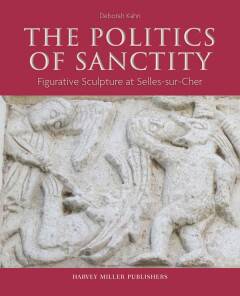
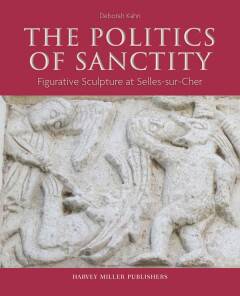
This book introduces the importance of the eleventh-century monastery at Selles-sur-Cher (Loir-et Cher)and its early Romanesque sculpture. The frieze at Selles is the first episodic narrative in monumental architectural sculpture to survive on the European stage. It represents a little known saint - St Eusice. The narrative draws on a surviving text - the Miracula Sancti Eusicii Confessoris written by Letaldus of Micy, a prolific local hagiographer in the generation before the frieze was carved and an author of great literary flare. The imagery of the obscure St Eusice would be inexplicable without this text. The carvings of St Eusice are juxtaposed with the Life of Christ in a series of approximately 35 panels, not quite 2 feet in height, that wrap around the east end of the church, above and below the choir windows. This frieze has been overlooked until now, not only because of its damaged condition but because it was interpreted as a provincial, late Romanesque work. Early twentieth century scholars followed Emile Male and Henri Focillon, placing it in the 12th century - over a century too late. As a result its seminal position in the re-emergence of sculpture during the first half of the 11th century was overlooked. But the historical and stylistic evidence provide clear proof of a date in the 1040s not the 1160s.As the first substantial surviving episodic narrative in stone and the earliest narrative frieze to remain since Antiquity the carving at Selles borrows extensively and astutely from classical remains. The iconography of Selles-sur-Cher further serves as a springboard for the examination of a range of important post-millennial developments.
Specificaties
Betrokkenen
- Auteur(s):
- Uitgeverij:
Inhoud
- Aantal bladzijden:
- 272
- Taal:
- Engels
- Reeks:
Eigenschappen
- Productcode (EAN):
- 9781912554362
- Verschijningsdatum:
- 27/05/2021
- Uitvoering:
- Hardcover
- Formaat:
- Genaaid
- Afmetingen:
- 231 mm x 284 mm
- Gewicht:
- 1451 g


Alleen bij Standaard Boekhandel
+ 265 punten op je klantenkaart van Standaard Boekhandel
Cadeau

AANGERADEN


Beoordelingen
We publiceren alleen reviews die voldoen aan de voorwaarden voor reviews. Bekijk onze voorwaarden voor reviews.