



Je cadeautjes zeker op tijd in huis hebben voor de feestdagen? Kom langs in onze winkels en vind het perfecte geschenk!
- Afhalen na 1 uur in een winkel met voorraad
- Gratis thuislevering in België vanaf € 30
- Ruim aanbod met 7 miljoen producten
Je cadeautjes zeker op tijd in huis hebben voor de feestdagen? Kom langs in onze winkels en vind het perfecte geschenk!
- Afhalen na 1 uur in een winkel met voorraad
- Gratis thuislevering in België vanaf € 30
- Ruim aanbod met 7 miljoen producten





€ 88,45
+ 176 punten
Omschrijving
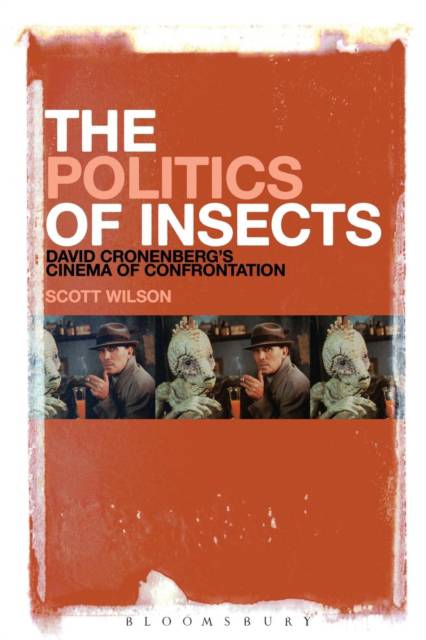
Canadian film director David Cronenberg has long been a figure of artistic acclaim and public controversy. Bursting into view with a trio of shocking horror films in the 1970s, Cronenberg's work has become increasingly complex in its sensibilities and inward-looking in its concerns and themes. This trajectory culminates in the multiplex successes of his most recent films, which appear to conclude a straightforward evolutionary arc that begins in the cold outside of shock-horror and arrives in the warm embrace of commercial and critical success.
Scott Wilson argues persuasively that Cronenberg's career can be divided into broad thematic stages and instead offers a complex examination of the relationship between three inter-related terms: the director as auteur; the industry that support or denies commercial opportunity; and the audience who receive, interpret and support (or decry) the vision represented on screen. The Politics of Insects provides an opportunity to explore Cronenberg's films in relation to each other in terms of their thematic continuity, and in terms of their relationship to industrial concerns and audience responses.
Scott Wilson argues persuasively that Cronenberg's career can be divided into broad thematic stages and instead offers a complex examination of the relationship between three inter-related terms: the director as auteur; the industry that support or denies commercial opportunity; and the audience who receive, interpret and support (or decry) the vision represented on screen. The Politics of Insects provides an opportunity to explore Cronenberg's films in relation to each other in terms of their thematic continuity, and in terms of their relationship to industrial concerns and audience responses.
Specificaties
Betrokkenen
- Auteur(s):
- Uitgeverij:
Inhoud
- Aantal bladzijden:
- 256
- Taal:
- Engels
Eigenschappen
- Productcode (EAN):
- 9781623563394
- Verschijningsdatum:
- 25/04/2013
- Uitvoering:
- Paperback
- Formaat:
- Trade paperback (VS)
- Afmetingen:
- 152 mm x 229 mm
- Gewicht:
- 385 g


Alleen bij Standaard Boekhandel
+ 176 punten op je klantenkaart van Standaard Boekhandel
CADEAU


Beoordelingen
We publiceren alleen reviews die voldoen aan de voorwaarden voor reviews. Bekijk onze voorwaarden voor reviews.