


- Afhalen na 1 uur in een winkel met voorraad
- Gratis thuislevering in België vanaf € 30
- Ruim aanbod met 7 miljoen producten
- Afhalen na 1 uur in een winkel met voorraad
- Gratis thuislevering in België vanaf € 30
- Ruim aanbod met 7 miljoen producten





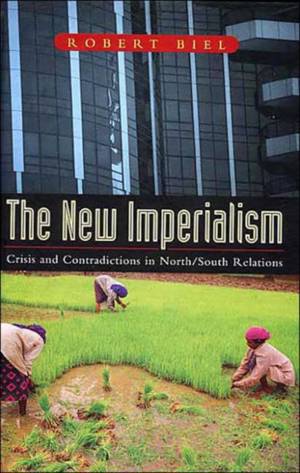
The New Imperialism
Crisis and Contradictions in North/South Relations
Robert Biel
Hardcover | Engels
€ 203,95
+ 407 punten
Uitvoering
Omschrijving
This major intellectual exploration seeks to deepen our understanding of the way in which modern capitalism works. The author argues, in particular, that it has always rested in part on the unremunerated labour of women, the non-sustainable extraction of natural resources and the racist exploitation of the non-European periphery.
Robert Biel explains and illuminates how it has integrated the South into a Western-dominated system of exploitation and prevented it from making the promised transition from marginality on the periphery to prosperity at the centre. And the racist implications of this. He also explores two fundamental questions. Are there really any indications that the global economy is slowly entering a long-term structural crisis? And would any significant disruption open up opportunities for new popular movements to fundamentally challenge it? Robert Biel's work constitutes a major revitalisation of the tools of Marxism and Dependency Theory. In addition to scholars of political economy and development, it will interest activists seeking to reconstitute left politics in the age of globalisation.Specificaties
Betrokkenen
- Auteur(s):
- Uitgeverij:
Inhoud
- Aantal bladzijden:
- 368
- Taal:
- Engels
Eigenschappen
- Productcode (EAN):
- 9781856497466
- Verschijningsdatum:
- 01/08/2000
- Uitvoering:
- Hardcover
- Formaat:
- Genaaid
- Afmetingen:
- 162 mm x 243 mm
- Gewicht:
- 680 g


Alleen bij Standaard Boekhandel
+ 407 punten op je klantenkaart van Standaard Boekhandel
Cadeau

AANGERADEN


Beoordelingen
We publiceren alleen reviews die voldoen aan de voorwaarden voor reviews. Bekijk onze voorwaarden voor reviews.