


- Afhalen na 1 uur in een winkel met voorraad
- Gratis thuislevering in België vanaf € 30
- Ruim aanbod met 7 miljoen producten
- Afhalen na 1 uur in een winkel met voorraad
- Gratis thuislevering in België vanaf € 30
- Ruim aanbod met 7 miljoen producten





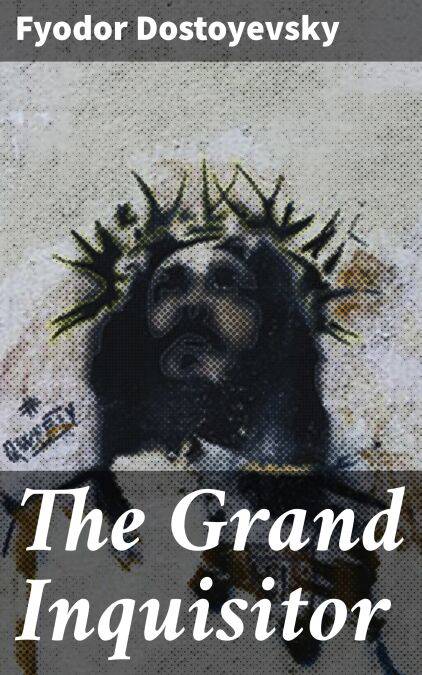
The Grand Inquisitor E-BOOK
Exploring faith, morality, and free will in a timeless parable of philosophical fiction
Fyodor Dostoyevsky
E-book | Engels
€ 0,99
€ 1,99
Uitvoering
Eenvoudig bestellen
Veilig betalen


Onmiddellijk geleverd via e-mail
Omschrijving
In "The Grand Inquisitor," a pivotal section from Fyodor Dostoyevsky's novel "The Brothers Karamazov," the author presents a profound theological and philosophical dialogue set against the backdrop of 16th-century Spain. The story unfolds through a conversation between the titular Inquisitor and Jesus Christ, exploring themes of free will, faith, and moral authority. Dostoyevsky's narrative is characterized by its intense psychological depth and rich allegorical structure, employing the contrasting perspectives of authority and personal freedom to interrogate the human condition and the nature of belief. The style is both lyrical and incisive, reflecting the tensions of a society grappling with the erosion of faith in the face of burgeoning rationalism. Dostoyevsky, a prominent figure in Russian literature and a prisoner of his own existential struggles, intently examined the complexities of faith, doubt, and redemption in his works. Experiencing immense personal turmoil, including imprisonment and financial hardships, Dostoyevsky's reflections on tyranny and spiritual anguish in "The Grand Inquisitor" can be seen as a response to the pervasive nihilism of his era, revealing his profound engagement with the moral dilemmas of existence. This compelling narrative is essential reading for those interested in existential philosophy and religious discourse. Recommended for readers seeking to understand the intricate interplay between faith and human freedom, "The Grand Inquisitor" invites profound contemplation of the very nature of human existence and divine responsibility.
Specificaties
Betrokkenen
- Auteur(s):
- Vertaler(s):
- Uitgeverij:
Inhoud
- Aantal bladzijden:
- 118
- Taal:
- Engels
Eigenschappen
- Productcode (EAN):
- 4057664097811
- Verschijningsdatum:
- 18/11/2019
- Uitvoering:
- E-book
- Beveiligd met:
- Digital watermarking
- Formaat:
- ePub



Alleen bij Standaard Boekhandel
CADEAU

AANGERADEN


Beoordelingen
We publiceren alleen reviews die voldoen aan de voorwaarden voor reviews. Bekijk onze voorwaarden voor reviews.