


- Afhalen na 1 uur in een winkel met voorraad
- Gratis thuislevering in België vanaf € 30
- Ruim aanbod met 7 miljoen producten
- Afhalen na 1 uur in een winkel met voorraad
- Gratis thuislevering in België vanaf € 30
- Ruim aanbod met 7 miljoen producten





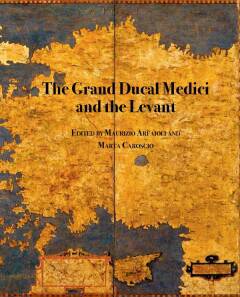
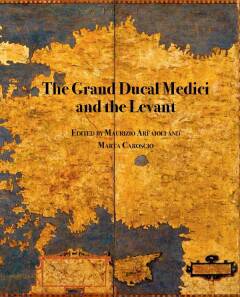
The Grand Ducal Medici and the Levant
Marta Caroscio
€ 121,90
+ 243 punten
Eenvoudig bestellen
Veilig betalen


Gratis thuislevering vanaf € 30 (via bpost)
Gratis levering in je Standaard Boekhandel
Omschrijving
For over two centuries (1532-1737), the Medici, as dukes of Florence and grand dukes of Tuscany, ruled over a western Mediterranean state whose geopolitical sphere of influence was centered in Europe. The transformation of the House of Medici from republican primi inter pares of Quattrocento Florence to dynastic rulers occurred at the same moment when the Ottoman Empire emerged as an early modern superpower, polarizing Mediterranean politics. The Italian Peninsula became the stage where the cultural forces of the eastern and western Mediterranean converged. As a result, from the early days of their rule, the Medici grand dukes became enmeshed in a power dynamic that encompassed war, religion, diplomacy as well as economic interests and cultural exchange. This collection of essays sheds new light on key aspects of the complex relations between the Medici grand dukes and the Levant.
Specificaties
Betrokkenen
- Auteur(s):
- Uitgeverij:
Inhoud
- Aantal bladzijden:
- 186
- Taal:
- Engels, Italiaans
- Reeks:
- Reeksnummer:
- nr. 3
Eigenschappen
- Productcode (EAN):
- 9781909400368
- Verschijningsdatum:
- 20/12/2016
- Uitvoering:
- Hardcover
- Formaat:
- Genaaid
- Afmetingen:
- 224 mm x 284 mm
- Gewicht:
- 1179 g


Alleen bij Standaard Boekhandel
+ 243 punten op je klantenkaart van Standaard Boekhandel
CADEAU

AANGERADEN


Beoordelingen
We publiceren alleen reviews die voldoen aan de voorwaarden voor reviews. Bekijk onze voorwaarden voor reviews.