



Je cadeautjes zeker op tijd in huis hebben voor de feestdagen? Kom langs in onze winkels en vind het perfecte geschenk!
- Afhalen na 1 uur in een winkel met voorraad
- Gratis thuislevering in België vanaf € 30
- Ruim aanbod met 7 miljoen producten
Je cadeautjes zeker op tijd in huis hebben voor de feestdagen? Kom langs in onze winkels en vind het perfecte geschenk!
- Afhalen na 1 uur in een winkel met voorraad
- Gratis thuislevering in België vanaf € 30
- Ruim aanbod met 7 miljoen producten





€ 72,95
+ 145 punten
Uitvoering
Omschrijving
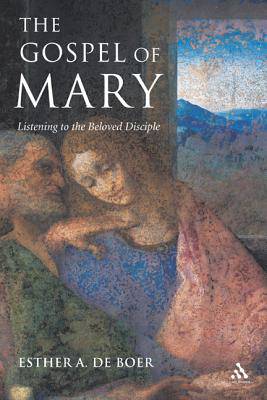
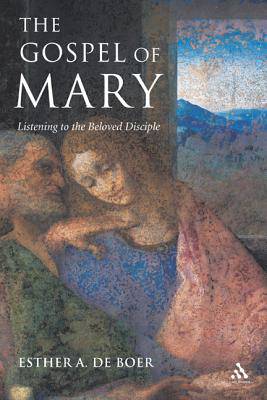
The success of Dan Brown's Da Vinci Code has raised new interest in Mary Magdalene and in the Gospel of Mary. Here, the author examines Mary Magdalene's influence on the beginnings of Christianity and asks what was her impact and her message? And furthermore, what became of her and her ideas? Esther de Boer studies the Gospel of Mary (the only Gospel to be named after a woman) to discover what it reveals about Mary Magdalene and to determine the origin of its portrayal. She argues that the Gospel of Mary is not a Gnostic writing but is more closely related to the writings of Philo, the letters of Paul and the Gospel of John. She demonstrates that esteem of Mary Magdalene did not just belong to the Gnostic tradition but to a broader Christian context. In order to determine this context, the study identifies the different portrayals of Mary Magdalene in the New Testament, analyses their concepts of discipleship and their views on women, and investigates their historical 'reality'. Esther de Boer concludes that the portrayal of Mary Magdalene in the Gospel of Mary is close to that in the Gospel of John, and investigates the possibility that she is concealed in the Johannine disciple loved by Jesus.
Specificaties
Betrokkenen
- Auteur(s):
- Uitgeverij:
Inhoud
- Aantal bladzijden:
- 264
- Taal:
- Engels
Eigenschappen
- Productcode (EAN):
- 9780826480019
- Verschijningsdatum:
- 20/06/2005
- Uitvoering:
- Paperback
- Formaat:
- Trade paperback (VS)
- Afmetingen:
- 162 mm x 234 mm
- Gewicht:
- 390 g


Alleen bij Standaard Boekhandel
+ 145 punten op je klantenkaart van Standaard Boekhandel
CADEAU


Beoordelingen
We publiceren alleen reviews die voldoen aan de voorwaarden voor reviews. Bekijk onze voorwaarden voor reviews.