


- Afhalen na 1 uur in een winkel met voorraad
- Gratis thuislevering in België vanaf € 30
- Ruim aanbod met 7 miljoen producten
- Afhalen na 1 uur in een winkel met voorraad
- Gratis thuislevering in België vanaf € 30
- Ruim aanbod met 7 miljoen producten





€ 13,95
+ 27 punten
Uitvoering
Omschrijving
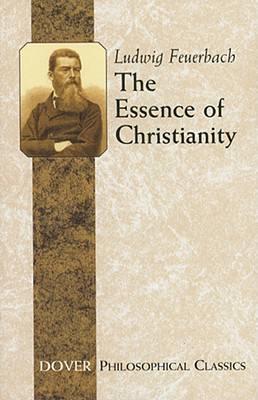
Did God create man? Or did man create God? Famed German philosopher Ludwig Feuerbach explores the answer in this, his most influential work, published in German in 1841 and translated by celebrated English novelist George Eliot. Using Biblical references, dialectics, and ideas from some of the world's greatest thinkers, he confronts believers with his cogent explanation.
Approaching religion from a humanistic perspective, Feuerbach explores the idea that divinity is an outward projection of our idealistic human nature. Asserting that nothing is higher than the perfection found in mankind, he proposes that a Supreme Being was created by man seeking comfort and relief from a hostile world, challenging tenets of Christianity from creation and the resurrection to faith and miracles. Feuerbach's critique of Hegelian idealism excited immediate international attention -- influencing Karl Marx, Sigmund Freud, and Friedrich Engels in particular. Thought-provoking and utterly compelling, this historically significant polemic is must reading for lifelong students of religion and philosophy.
Approaching religion from a humanistic perspective, Feuerbach explores the idea that divinity is an outward projection of our idealistic human nature. Asserting that nothing is higher than the perfection found in mankind, he proposes that a Supreme Being was created by man seeking comfort and relief from a hostile world, challenging tenets of Christianity from creation and the resurrection to faith and miracles. Feuerbach's critique of Hegelian idealism excited immediate international attention -- influencing Karl Marx, Sigmund Freud, and Friedrich Engels in particular. Thought-provoking and utterly compelling, this historically significant polemic is must reading for lifelong students of religion and philosophy.
Specificaties
Betrokkenen
- Auteur(s):
- Uitgeverij:
Inhoud
- Aantal bladzijden:
- 304
- Taal:
- Engels
- Reeks:
Eigenschappen
- Productcode (EAN):
- 9780486454214
- Verschijningsdatum:
- 11/06/2008
- Uitvoering:
- Paperback
- Formaat:
- Trade paperback (VS)
- Afmetingen:
- 140 mm x 213 mm
- Gewicht:
- 362 g


Alleen bij Standaard Boekhandel
+ 27 punten op je klantenkaart van Standaard Boekhandel
CADEAU

AANGERADEN


Beoordelingen
We publiceren alleen reviews die voldoen aan de voorwaarden voor reviews. Bekijk onze voorwaarden voor reviews.