


- Afhalen na 1 uur in een winkel met voorraad
- Gratis thuislevering in België vanaf € 30
- Ruim aanbod met 7 miljoen producten
- Afhalen na 1 uur in een winkel met voorraad
- Gratis thuislevering in België vanaf € 30
- Ruim aanbod met 7 miljoen producten





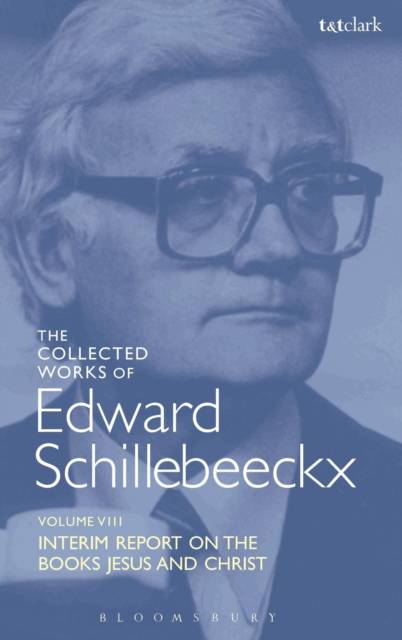
The Collected Works of Edward Schillebeeckx Volume 8
Interim Report on the Books Jesus and Christ
Edward Schillebeeckx
€ 296,95
+ 593 punten
Uitvoering
Omschrijving
As a result of the publication of Jesus. An Experiment in Christology (volume 6) and Christ. The Christian Experience in the Modern World (volume 7), Schillebeeckx was accused of denying the divinity of Jesus and the resurrection as objective reality. In this 'interim report' he responds to these criticisms. Schillebeeckx argues that the interpretation of his publications depends to a large extent on what the reader takes as a starting point.
This book, therefore, is about presuppositions and methods of interpretation. Schillebeeckx begins by looking once again at the nature of revelation, at the ways in which religious faith is experienced and expressed in the modern world, and at sources of authority. He then discusses specific criticisms. Can he be called a neo-liberal? Does he devalue the church's tradition? Is his Christology inadequate? What does he really believe concerning the resurrection? Then, towards the end, in some poetically powerful passages, he turns once again to the nature of the Kingdom of God, creation and salvation.
Specificaties
Betrokkenen
- Auteur(s):
- Uitgeverij:
Inhoud
- Aantal bladzijden:
- 144
- Taal:
- Engels
- Reeks:
- Reeksnummer:
- nr. 8
Eigenschappen
- Productcode (EAN):
- 9780567148544
- Verschijningsdatum:
- 25/09/2014
- Uitvoering:
- Hardcover
- Formaat:
- Genaaid
- Afmetingen:
- 152 mm x 236 mm
- Gewicht:
- 453 g


Alleen bij Standaard Boekhandel
+ 593 punten op je klantenkaart van Standaard Boekhandel
AANGERADEN


Beoordelingen
We publiceren alleen reviews die voldoen aan de voorwaarden voor reviews. Bekijk onze voorwaarden voor reviews.