



Je cadeautjes zeker op tijd in huis hebben voor de feestdagen? Kom langs in onze winkels en vind het perfecte geschenk!
- Afhalen na 1 uur in een winkel met voorraad
- Gratis thuislevering in België vanaf € 30
- Ruim aanbod met 7 miljoen producten
Je cadeautjes zeker op tijd in huis hebben voor de feestdagen? Kom langs in onze winkels en vind het perfecte geschenk!
- Afhalen na 1 uur in een winkel met voorraad
- Gratis thuislevering in België vanaf € 30
- Ruim aanbod met 7 miljoen producten





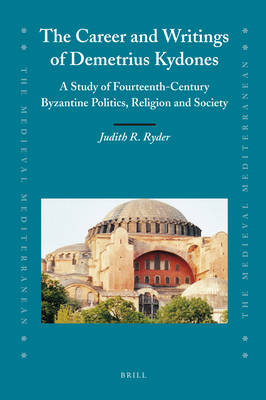
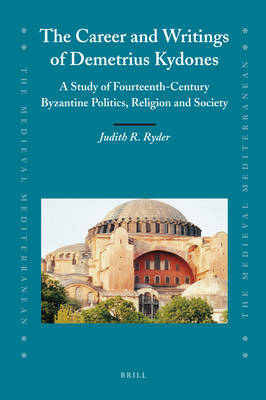
The Career and Writings of Demetrius Kydones
A Study of Fourteenth-Century Byzantine Politics, Religion and Society
Judith Ryder
€ 251,95
+ 503 punten
Omschrijving
The second half of the fourteenth century was a period of rapid change in the Eastern Mediterranean, principally due to the expansion into Europe of the Ottoman Turks. Demetrius Kydones was one of the key Byzantine political and intellectual figures of the time, and his writings are regarded as one of the most important sources for study of the period. Kydones' career spanned at least four decades, from the 1340s to the 1380s. A Latin scholar, influenced in particular by the writings of Thomas Aquinas (some of which he translated into Greek), Kydones was a leading advocate of improvement of relations between Byzantium and the Latin West as crucial to Byzantine survival. This book examines Kydones' career and writings, investigating how they can contribute to developing a nuanced understanding of Byzantine political and cultural developments in these years of crisis.
Specificaties
Betrokkenen
- Auteur(s):
- Uitgeverij:
Inhoud
- Aantal bladzijden:
- 312
- Taal:
- Engels
- Reeks:
- Reeksnummer:
- nr. 85
Eigenschappen
- Productcode (EAN):
- 9789004185654
- Verschijningsdatum:
- 14/06/2010
- Uitvoering:
- Hardcover
- Formaat:
- Genaaid
- Afmetingen:
- 166 mm x 246 mm
- Gewicht:
- 657 g


Alleen bij Standaard Boekhandel
+ 503 punten op je klantenkaart van Standaard Boekhandel
CADEAU


Beoordelingen
We publiceren alleen reviews die voldoen aan de voorwaarden voor reviews. Bekijk onze voorwaarden voor reviews.