


- Afhalen na 1 uur in een winkel met voorraad
- Gratis thuislevering in België vanaf € 30
- Ruim aanbod met 7 miljoen producten
- Afhalen na 1 uur in een winkel met voorraad
- Gratis thuislevering in België vanaf € 30
- Ruim aanbod met 7 miljoen producten





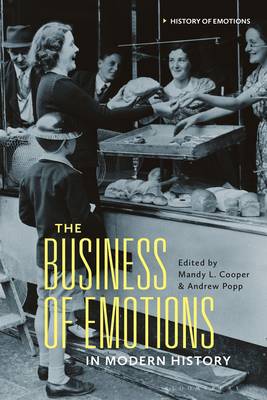
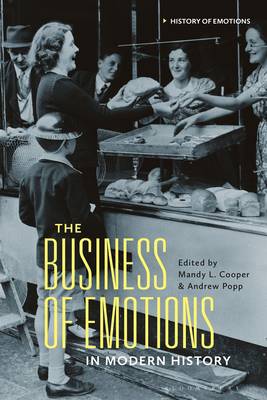
The Business of Emotions in Modern History
€ 203,95
+ 407 punten
Omschrijving
The Business of Emotions in Modern History shows how businesses, from individual entrepreneurs to family firms and massive corporations, have relied on, leveraged, generated and been shaped by emotions for centuries. With a broad temporal and global coverage, ranging from the early modern era to the present day in Africa, Asia, Europe and North America, the essays in this volume highlight the rich potential for studying emotions and business in tandem.
In exploring how emotions and emotional situations affect business, and in turn how businesses affect the emotional lives of individuals and communities, this book allows us to recognise the emotional structures behind business decisions and relationships, and how to question them. From emotional labour in family firms, to affective corporate paternalism and the role of specific emotions such as trust, fear, anxiety love and nostalgia in creating economic connections, this book opens a rich new avenue of research for both the history of emotions and business history.Specificaties
Betrokkenen
- Uitgeverij:
Inhoud
- Aantal bladzijden:
- 288
- Taal:
- Engels
- Reeks:
Eigenschappen
- Productcode (EAN):
- 9781350262492
- Verschijningsdatum:
- 9/02/2023
- Uitvoering:
- Hardcover
- Formaat:
- Genaaid
- Afmetingen:
- 156 mm x 234 mm
- Gewicht:
- 576 g

Alleen bij Standaard Boekhandel
+ 407 punten op je klantenkaart van Standaard Boekhandel
Cadeau

AANGERADEN


Beoordelingen
We publiceren alleen reviews die voldoen aan de voorwaarden voor reviews. Bekijk onze voorwaarden voor reviews.