


- Afhalen na 1 uur in een winkel met voorraad
- Gratis thuislevering in België vanaf € 30
- Ruim aanbod met 7 miljoen producten
- Afhalen na 1 uur in een winkel met voorraad
- Gratis thuislevering in België vanaf € 30
- Ruim aanbod met 7 miljoen producten





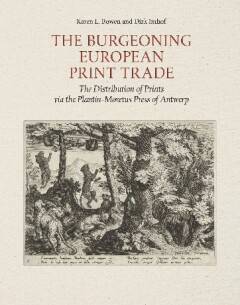
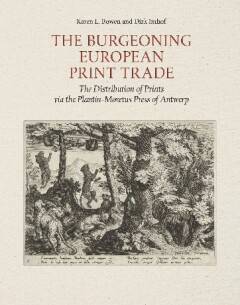
The Burgeoning European Print Trade
The Distribution of Prints Via the Plantin-Moretus Press of Antwerp
Karen L Bowen, Dirk Imhof
€ 159,00
+ 318 punten
Omschrijving
The European print trade is an evocative topic. Not only art historians, but social, cultural, and economic historians all agree that it was of vital importance in the Early Modern Period, as the conveyer of established icons, as well as the most recent imagery and news. Yet, thus far it is often discussed solely on the basis of tantalizing, isolated case studies. Bowen and Imhof's ground-breaking publication will address this significant lacuna by demonstrating in unprecedented detail how booksellers were routinely engaged in the extensive international distribution and sale of hundreds of thousands of prints annually between the mid-sixteenth and mid-seventeenth centuries. Based upon the exceptionally well-preserved archives of the renowned Plantin-Moretus Press of Antwerp, this book presents the often-overlooked interwoven worlds of booksellers and print sellers, while documenting Antwerp's continued fame for the production and distribution of prints. Together with a remarkable array of clients, ranging from the cultivated and influential elite to ordinary laymen, these figures provide palpable examples of suppliers, buyers, and middlemen that reveal how they interacted with one another. Simultaneously, this work illuminates numerous critical related topics, ranging from how prints were priced and the relative quantities in which they were sold, to the importance of national and professional networks in these transactions. The result is an essential, novel study that clarifies how the print trade worked in practice during a burgeoning period in its evolution.
Specificaties
Betrokkenen
- Auteur(s):
- Uitgeverij:
Inhoud
- Aantal bladzijden:
- 404
- Taal:
- Engels
- Reeks:
- Reeksnummer:
- nr. 19
Eigenschappen
- Productcode (EAN):
- 9781915487070
- Verschijningsdatum:
- 9/10/2025
- Uitvoering:
- Hardcover
- Formaat:
- Genaaid
- Afmetingen:
- 220 mm x 280 mm
- Gewicht:
- 1560 g


Alleen bij Standaard Boekhandel
+ 318 punten op je klantenkaart van Standaard Boekhandel
CADEAU

AANGERADEN


Beoordelingen
We publiceren alleen reviews die voldoen aan de voorwaarden voor reviews. Bekijk onze voorwaarden voor reviews.