


- Afhalen na 1 uur in een winkel met voorraad
- Gratis thuislevering in België vanaf € 30
- Ruim aanbod met 7 miljoen producten
- Afhalen na 1 uur in een winkel met voorraad
- Gratis thuislevering in België vanaf € 30
- Ruim aanbod met 7 miljoen producten





€ 220,45
+ 440 punten
Uitvoering
Omschrijving
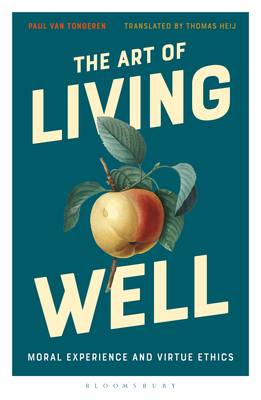
In this first English translation of the prize-winning Dutch title Leven is Een Kunst, Paul van Tongeren creates a new kind of virtue ethics, one that centres on how to 'live well' in our contemporary world.
While virtue ethics is based on the moral philosophy of Aristotle, it has had many interpretations and iterations throughout history and features prominently in the thinking of the Stoics, Christian narratives and the writings of Nietzsche. The Art of Living Well explores and expands upon these traditions, using them as a basis to form a new interpretation; one that foregrounds art and creativity as paramount to the struggle to act in an authentic and moral way. Acting as both a clear introduction to virtue ethics and moral philosophy and a serious work of original philosophy, this book connects philosophy with real lived experience and tackles, head-on, the perennial philosophical question: 'how do we live well?'Specificaties
Betrokkenen
- Auteur(s):
- Vertaler(s):
- Uitgeverij:
Inhoud
- Aantal bladzijden:
- 200
- Taal:
- Engels
Eigenschappen
- Productcode (EAN):
- 9781350012868
- Verschijningsdatum:
- 11/06/2020
- Uitvoering:
- Hardcover
- Formaat:
- Genaaid
- Afmetingen:
- 140 mm x 216 mm
- Gewicht:
- 376 g


Alleen bij Standaard Boekhandel
+ 440 punten op je klantenkaart van Standaard Boekhandel
CADEAU

AANGERADEN


Beoordelingen
We publiceren alleen reviews die voldoen aan de voorwaarden voor reviews. Bekijk onze voorwaarden voor reviews.