


- Afhalen na 1 uur in een winkel met voorraad
- Gratis thuislevering in België vanaf € 30
- Ruim aanbod met 7 miljoen producten
- Afhalen na 1 uur in een winkel met voorraad
- Gratis thuislevering in België vanaf € 30
- Ruim aanbod met 7 miljoen producten





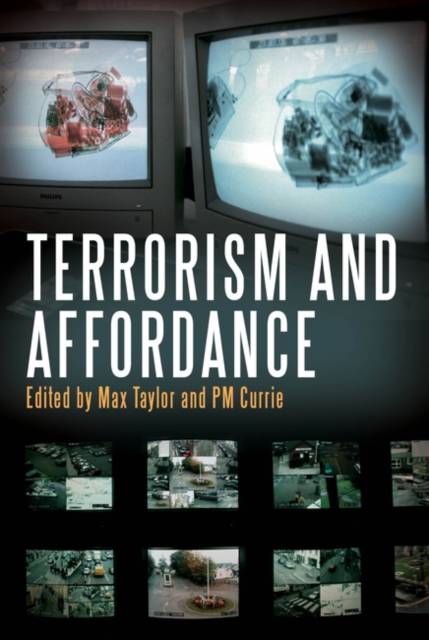
Terrorism and Affordance
€ 339,45
+ 678 punten
Omschrijving
In this groundbreaking work, leading scholars and experts set out to explore the utility of the concept of affordance in the study and understanding of terrorism and political violence.
Affordance is a concept used in a variety of fields, from psychology to artificial intelligence, which refers to how the quality of an environment or object allows an individual to perform a specific action. This concept can represent an important element in the process of choice involved in behavior, and is closely related to situational analyses of criminal behavior. In this book, the contributors set out to explore how this concept can be used to study terrorism and, as a result, develop management strategies. Essays discuss such topics as affordance in relation to counterterrorism, technology, cyber-jihad, ideology, and political ecologies.
By importing the concept of affordance and a new set of research to the study of terrorism, the authors offer an innovative and original work that challenges and adds to various aspects of situational crime prevention and counterterrorism.
Affordance is a concept used in a variety of fields, from psychology to artificial intelligence, which refers to how the quality of an environment or object allows an individual to perform a specific action. This concept can represent an important element in the process of choice involved in behavior, and is closely related to situational analyses of criminal behavior. In this book, the contributors set out to explore how this concept can be used to study terrorism and, as a result, develop management strategies. Essays discuss such topics as affordance in relation to counterterrorism, technology, cyber-jihad, ideology, and political ecologies.
By importing the concept of affordance and a new set of research to the study of terrorism, the authors offer an innovative and original work that challenges and adds to various aspects of situational crime prevention and counterterrorism.
Specificaties
Betrokkenen
- Uitgeverij:
Inhoud
- Aantal bladzijden:
- 196
- Taal:
- Engels
- Reeks:
Eigenschappen
- Productcode (EAN):
- 9781441133816
- Verschijningsdatum:
- 16/08/2012
- Uitvoering:
- Hardcover
- Formaat:
- Genaaid
- Afmetingen:
- 157 mm x 231 mm
- Gewicht:
- 498 g

Alleen bij Standaard Boekhandel
+ 678 punten op je klantenkaart van Standaard Boekhandel
Cadeau

AANGERADEN


Beoordelingen
We publiceren alleen reviews die voldoen aan de voorwaarden voor reviews. Bekijk onze voorwaarden voor reviews.