


- Afhalen na 1 uur in een winkel met voorraad
- Gratis thuislevering in België vanaf € 30
- Ruim aanbod met 7 miljoen producten
- Afhalen na 1 uur in een winkel met voorraad
- Gratis thuislevering in België vanaf € 30
- Ruim aanbod met 7 miljoen producten





Omschrijving
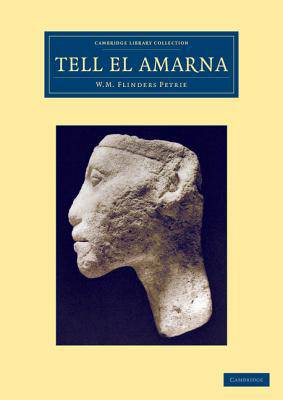
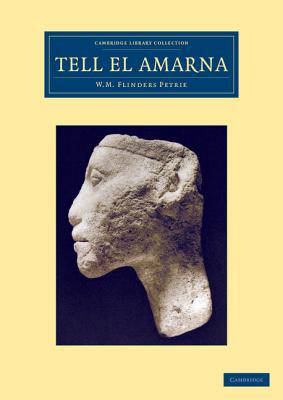
A pioneering Egyptologist, Sir William Matthew Flinders Petrie (1853-1942) excavated over fifty sites and trained a generation of archaeologists. He also played a notable part in the preservation of a number of cuneiform tablets that became known collectively as the Tell el-Amarna letters. Petrie's Syria and Egypt (1898), containing summaries, is also reissued in this series, along with many of his other publications. The present work, first published in 1894 and richly illustrated, gives an account of the work that Petrie carried out in 1891-2. It contains detailed information about both the technical aspects of the dig and the array of artefacts found, including the tablet fragments of diplomatic correspondence from the fourteenth century BCE. The chapter on the tablets is provided by Archibald Sayce, Francis Llewellyn Griffth discusses ceramic inscriptions, and the flint tools are examined by F. C. J. Spurrell.
Specificaties
Betrokkenen
- Auteur(s):
- Uitgeverij:
Inhoud
- Aantal bladzijden:
- 100
- Taal:
- Engels
- Reeks:
Eigenschappen
- Productcode (EAN):
- 9781108068390
- Verschijningsdatum:
- 31/10/2013
- Uitvoering:
- Paperback
- Formaat:
- Trade paperback (VS)
- Afmetingen:
- 210 mm x 297 mm
- Gewicht:
- 258 g


Alleen bij Standaard Boekhandel
+ 128 punten op je klantenkaart van Standaard Boekhandel
AANGERADEN


Beoordelingen
We publiceren alleen reviews die voldoen aan de voorwaarden voor reviews. Bekijk onze voorwaarden voor reviews.