


- Afhalen na 1 uur in een winkel met voorraad
- Gratis thuislevering in België vanaf € 30
- Ruim aanbod met 7 miljoen producten
- Afhalen na 1 uur in een winkel met voorraad
- Gratis thuislevering in België vanaf € 30
- Ruim aanbod met 7 miljoen producten





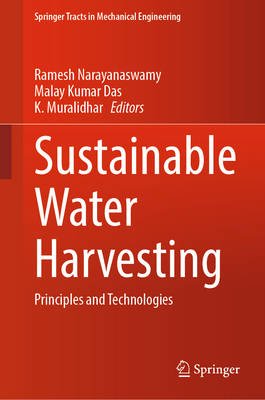
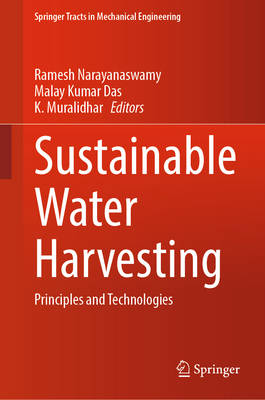
Sustainable Water Harvesting
Principles and Technologies
€ 305,45
+ 610 punten
Omschrijving
Drought and water scarcity are endemic to the world and are further aggravated in the present era of climate change. Since water underpins human health, its wide-spread shortage underscores the potential for developing water generation technologies based on renewable energy. The book provides a comprehensive insight into the historical importance of sustainable water management practices, from ancient developments on technologies to modern approaches. The development of effective technologies that maximize water production per unit investment of energy requires knowledge of principles of thermodynamics, phase change, and interfacial phenomena, whereas piloting prototypes of water harvesting devices on the field requires an appreciation of end-user cost versus benefits. This book covers several aspects immersing the reader from first principles to products that are developed on scale. Specifically, it addresses the water theme of the UN Sustainable Development Goals (2024). This book is a useful resource for scientists and engineers involved in designing and building sustainable technologies for water generation, and for postgraduate researchers who intend to analyze and improve existing technologies while conceiving novel devices.
Specificaties
Betrokkenen
- Uitgeverij:
Inhoud
- Aantal bladzijden:
- 264
- Taal:
- Engels
- Reeks:
Eigenschappen
- Productcode (EAN):
- 9789819533725
- Verschijningsdatum:
- 8/01/2026
- Uitvoering:
- Hardcover
- Formaat:
- Genaaid
- Afmetingen:
- 164 mm x 239 mm
- Gewicht:
- 621 g

Alleen bij Standaard Boekhandel
+ 610 punten op je klantenkaart van Standaard Boekhandel
CADEAU

AANGERADEN


Beoordelingen
We publiceren alleen reviews die voldoen aan de voorwaarden voor reviews. Bekijk onze voorwaarden voor reviews.