


- Afhalen na 1 uur in een winkel met voorraad
- Gratis thuislevering in België vanaf € 30
- Ruim aanbod met 7 miljoen producten
- Afhalen na 1 uur in een winkel met voorraad
- Gratis thuislevering in België vanaf € 30
- Ruim aanbod met 7 miljoen producten





€ 127,20
+ 254 punten
Omschrijving
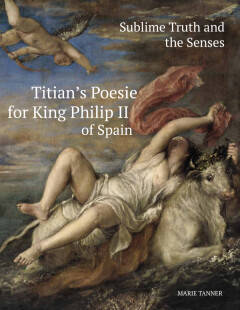
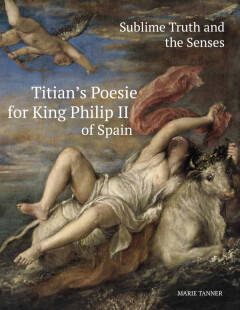
Titian's mythological paintings for Philip II, known as the Poesie, are among the most frequently discussed works of art that address a favored Renaissance theme, the influence of the pagan gods on human actions. The commission is traceable to 1549, when Emperor Charles V summoned the artist to Augsburg following Prince Philip's triumphal parade through the empire as his father's heir apparent. The cycle that took shape comprises Danae and Venus and Adonis (Madrid, Prado); Diana and Actaeon and Diana and Callisto (Edinburgh, National Gallery of Scotland); Perseus and Andromeda (London, Wallace Collection) and Europa (Boston, Isabella Stewart Gardner Museum). These masterpieces of the artist's mature period can be considered the most important Renaissance grouping of mythological paintings executed by a single artist. The author proposes that Philip's expected elevation prompted the commission and that the subjects form a cohesive program of Hapsburg ethical views and political concerns, and that Titian created new visual idioms to represent the complex issues which the subjects address in part by engaging themes with a significant prior history in family patronage. While Titian's Poesie for Philip II are well known monuments of western culture, they have never before been investigated with this focus. The dispersal of the pictures in the seventeenth century resulted in a scholarly focus on the single pictures and a concentration on their sensual aspects. Yet in Aretino, a Venetian dialogue on painting, Titian's friend and apologist Lodovico Dolce suggested that the pictures are visual formulae that make sublime truths available to the senses. This study analyzes the ways in which Titian incorporates new concepts of sensuality and spirituality in a Venetian vernacular to create masterpieces whose originality and ravishing beauty belie their didactic content.
Specificaties
Betrokkenen
- Auteur(s):
- Uitgeverij:
Inhoud
- Aantal bladzijden:
- 232
- Taal:
- Engels
- Reeks:
Eigenschappen
- Productcode (EAN):
- 9781909400276
- Verschijningsdatum:
- 27/06/2019
- Uitvoering:
- Hardcover
- Formaat:
- Genaaid
- Afmetingen:
- 224 mm x 284 mm
- Gewicht:
- 1437 g


Alleen bij Standaard Boekhandel
+ 254 punten op je klantenkaart van Standaard Boekhandel
Cadeau

AANGERADEN


Beoordelingen
We publiceren alleen reviews die voldoen aan de voorwaarden voor reviews. Bekijk onze voorwaarden voor reviews.