


- Afhalen na 1 uur in een winkel met voorraad
- Gratis thuislevering in België vanaf € 30
- Ruim aanbod met 7 miljoen producten
- Afhalen na 1 uur in een winkel met voorraad
- Gratis thuislevering in België vanaf € 30
- Ruim aanbod met 7 miljoen producten





€ 296,95
+ 593 punten
Uitvoering
Eenvoudig bestellen
Veilig betalen


Gratis thuislevering vanaf € 30 (via bpost)
Gratis levering in je Standaard Boekhandel
Omschrijving
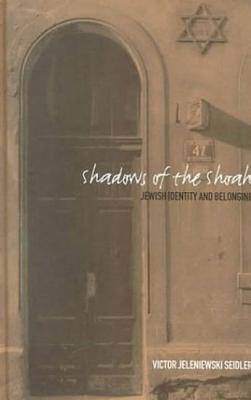
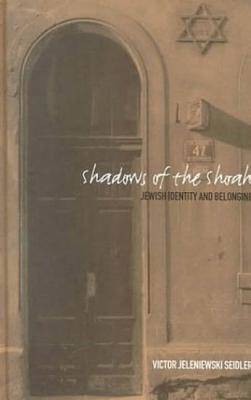
How can we make sense of being born and growing up in the shadows of the Shoah without being able to speak about the unspeakable terror that killed so many in our families? As the second generation we were rarely to hear stories of love and loss or to participate in the mourning of so many who had been brutally murdered. Rather we were to grow up 'normally', and to learn to turn our backs on the past as we struggled towards future identities while imagining ourselves 'like everyone else'. Fearful of difference we were often ambivalent about Jewish identities that could threaten a sense of 'Englishness'. Exploring the painful dynamics of personal identity and belonging, Victor Jeleniewski Seidler shares the difficulties of memory. How is it possible ever really to belong and feel safe and yet remember what happened to Jewish families in Poland? How can one remember without feeling overwhelmed by the terror? Crossing boundaries in a journey to Poland enabled the author to rethink a relationship between Judaism and modernity, as well as to reflect on the painful histories between Poles and Jews. Questions about memory, identity and belonging touch the lives of many people who live in the shadows of historical trauma. Learning to think in new ways about the Shoah as a defining crisis within modernity, Seidler also helps us imagine an ethics for a postmodern time.
Specificaties
Betrokkenen
- Auteur(s):
- Uitgeverij:
Inhoud
- Aantal bladzijden:
- 224
- Taal:
- Engels
Eigenschappen
- Productcode (EAN):
- 9781859733554
- Verschijningsdatum:
- 1/03/2000
- Uitvoering:
- Hardcover
- Formaat:
- Genaaid
- Afmetingen:
- 145 mm x 221 mm
- Gewicht:
- 335 g


Alleen bij Standaard Boekhandel
+ 593 punten op je klantenkaart van Standaard Boekhandel
CADEAU

AANGERADEN


Beoordelingen
We publiceren alleen reviews die voldoen aan de voorwaarden voor reviews. Bekijk onze voorwaarden voor reviews.