


- Afhalen na 1 uur in een winkel met voorraad
- Gratis thuislevering in België vanaf € 30
- Ruim aanbod met 7 miljoen producten
- Afhalen na 1 uur in een winkel met voorraad
- Gratis thuislevering in België vanaf € 30
- Ruim aanbod met 7 miljoen producten





Omschrijving
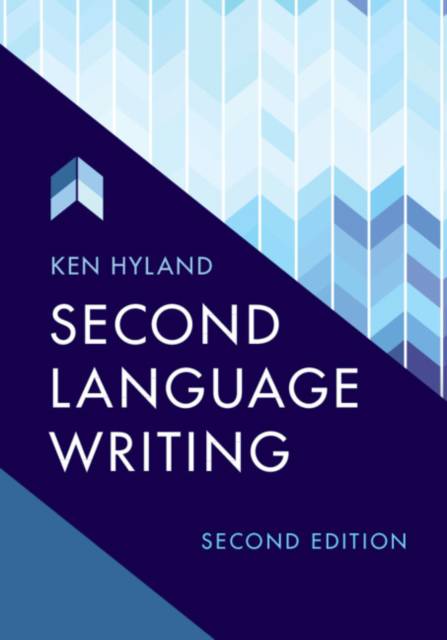
Authoritative and accessible, this book introduces the theory and practice of teaching writing to students of EFL/ESL learners. While assuming no specialist knowledge, Ken Hyland systematically sets out the key issues of course design, lesson planning, texts and materials, tasks, feedback and assessment and how current research can inform classroom practice. This second edition is completely revised to include up-to-date work on automated feedback, plagiarism, social media, Virtual Learning Environments and teacher workload issues. It takes the clear stance that student writers not only need realistic strategies for drafting and revising, but also a clear understanding of genre to structure their writing experiences according to the expectations of particular communities of readers and the constraints of particular contexts. Review exercises, reflection questions, plentiful examples and a new extensive glossary make the book invaluable to both prospective and practicing teachers alike.
Specificaties
Betrokkenen
- Auteur(s):
- Uitgeverij:
Inhoud
- Aantal bladzijden:
- 320
- Taal:
- Engels
Eigenschappen
- Productcode (EAN):
- 9781108470711
- Verschijningsdatum:
- 4/07/2019
- Uitvoering:
- Hardcover
- Formaat:
- Genaaid
- Afmetingen:
- 185 mm x 249 mm
- Gewicht:
- 771 g


Alleen bij Standaard Boekhandel
+ 351 punten op je klantenkaart van Standaard Boekhandel
CADEAU

AANGERADEN


Beoordelingen
We publiceren alleen reviews die voldoen aan de voorwaarden voor reviews. Bekijk onze voorwaarden voor reviews.