


- Afhalen na 1 uur in een winkel met voorraad
- Gratis thuislevering in België vanaf € 30
- Ruim aanbod met 7 miljoen producten
- Afhalen na 1 uur in een winkel met voorraad
- Gratis thuislevering in België vanaf € 30
- Ruim aanbod met 7 miljoen producten





Omschrijving
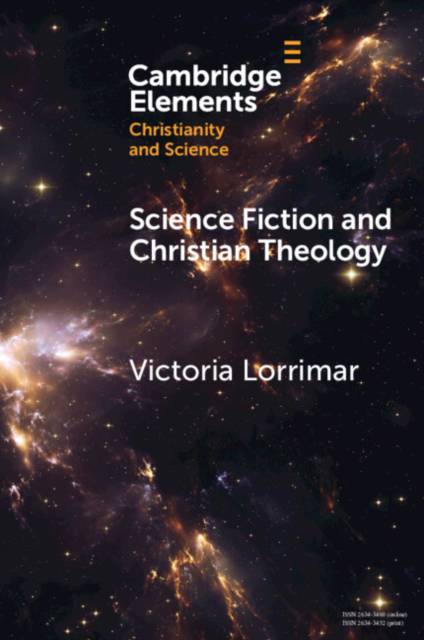
Theologians often struggle to engage with scientific and technological proposals meaningfully in our contemporary context. This Element provides an introduction to the use of science fiction as a conversation partner for theological reflection, arguing that it shifts the science - religion dialogue away from propositional discourse in a more fruitful and imaginative direction. Science fiction is presented as a mediator between theological and scientific disciplines and worldviews in the context of recent methodological debates. Several sections provide examples of theological engagement in relation to the themes of embodiment, human uniqueness, disability and economic inequalities, exploring relevant technologies such as mind-uploading, artificial intelligence, and virtual reality in dialogue with select works of science fiction. A final section considers the pragmatic challenge of progress in the real world towards the more utopian futures presented in science fiction.
Specificaties
Betrokkenen
- Auteur(s):
- Uitgeverij:
Inhoud
- Aantal bladzijden:
- 82
- Taal:
- Engels
- Reeks:
Eigenschappen
- Productcode (EAN):
- 9781009428910
- Verschijningsdatum:
- 29/05/2025
- Uitvoering:
- Paperback
- Formaat:
- Trade paperback (VS)
- Afmetingen:
- 152 mm x 229 mm
- Gewicht:
- 122 g


Alleen bij Standaard Boekhandel
+ 72 punten op je klantenkaart van Standaard Boekhandel
Cadeau

AANGERADEN


Beoordelingen
We publiceren alleen reviews die voldoen aan de voorwaarden voor reviews. Bekijk onze voorwaarden voor reviews.