


- Afhalen na 1 uur in een winkel met voorraad
- Gratis thuislevering in België vanaf € 30
- Ruim aanbod met 7 miljoen producten
- Afhalen na 1 uur in een winkel met voorraad
- Gratis thuislevering in België vanaf € 30
- Ruim aanbod met 7 miljoen producten




€ 296,95
+ 593 punten
Omschrijving
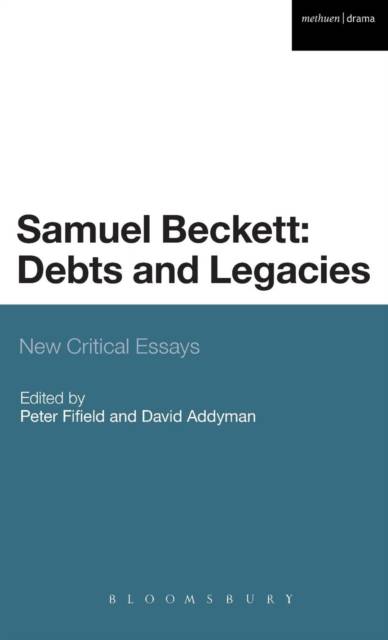
Published in association with the seminar series of the same name held by the University of Oxford, Samuel Beckett: Debts and Legacies presents the best new scholarship addressing the sources, development and ongoing influence of Samuel Beckett's work. Edited by convenors Dr Peter Fifield and Dr David Addyman, the volume presents ten research essays by leading international scholars ranging across Beckett's work, opening up new avenues of enquiry and association for scholars, students and readers of Beckett's work.
Among the subjects covered the volume includes studies of:
-Beckett and the influence of new media 1956-1960
-the influence of silent film on Beckett's work
-death, loss and Ireland in Beckett's drama - tracing Irish references in Beckett's plays from the 1950s and 1960s, including Endgame, All That Fall, Krapp's Last Tape and Eh Joe
-a consideration of Beckett's theatrical notebooks and annotated copies of his plays which provide a unique insight into his attitude toward the staging of his plays, the ways he himself interpreted his texts and approached theatrical practice.
-the French text of the novel Mercier et Camier, which both biographically and aesthetically appeared at a very significant moment in Beckett's career and indicates a crucial development in his writing
-the matter of tone in Beckett's drama, offering a new reading of the ways in which this elusive property emerges and can be read in the relationship between published text, canon and performance
Among the subjects covered the volume includes studies of:
-Beckett and the influence of new media 1956-1960
-the influence of silent film on Beckett's work
-death, loss and Ireland in Beckett's drama - tracing Irish references in Beckett's plays from the 1950s and 1960s, including Endgame, All That Fall, Krapp's Last Tape and Eh Joe
-a consideration of Beckett's theatrical notebooks and annotated copies of his plays which provide a unique insight into his attitude toward the staging of his plays, the ways he himself interpreted his texts and approached theatrical practice.
-the French text of the novel Mercier et Camier, which both biographically and aesthetically appeared at a very significant moment in Beckett's career and indicates a crucial development in his writing
-the matter of tone in Beckett's drama, offering a new reading of the ways in which this elusive property emerges and can be read in the relationship between published text, canon and performance
Specificaties
Betrokkenen
- Uitgeverij:
Inhoud
- Aantal bladzijden:
- 256
- Taal:
- Engels
- Reeks:
Eigenschappen
- Productcode (EAN):
- 9781408183618
- Verschijningsdatum:
- 23/05/2013
- Uitvoering:
- Hardcover
- Formaat:
- Genaaid
- Afmetingen:
- 145 mm x 218 mm
- Gewicht:
- 430 g

Alleen bij Standaard Boekhandel
+ 593 punten op je klantenkaart van Standaard Boekhandel
CADEAU


Beoordelingen
We publiceren alleen reviews die voldoen aan de voorwaarden voor reviews. Bekijk onze voorwaarden voor reviews.