


- Afhalen na 1 uur in een winkel met voorraad
- Gratis thuislevering in België vanaf € 30
- Ruim aanbod met 7 miljoen producten
- Afhalen na 1 uur in een winkel met voorraad
- Gratis thuislevering in België vanaf € 30
- Ruim aanbod met 7 miljoen producten





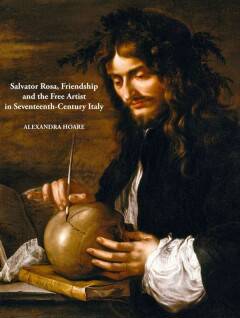
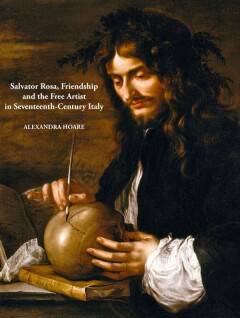
Salvator Rosa, Friendship and the Free Artist in Seventeenth-Century Italy
Alexandra Hoare
€ 206,70
+ 413 punten
Omschrijving
This book examines the Neapolitan painter and satirist Salvator Rosa (1615-1673) from a new perspective. Preoccupied with a performative brand of self-manufacture that is everywhere apparent in his work as an artist, satirist and actor, Rosa was a key protagonist in a period of significant social change. A precursor of the modern independent artist, Rosa was also among the first of his generation to actively seek and in many ways achieve the kind of professional autonomy his predecessors desired and his successors fully accomplished. The author argues that the social bond of friendship-its rituals and discourses-was vital to both Rosa's self-conception and his achievements. Five chapters explore this phenomenon in connection with various contexts central to Rosa's professional practice and identity: theatrical performance; the academy; the practices of conversation, letter writing and poetry; the ritual of gift-giving and the cultivation of the topos of the friend as a second self, here considered in relation to a portrait painted for a friend; and the art market. The book also responds to and outlines for the reader the current state of scholarship on Rosa, a field of study that has gained significant momentum in the last decade and to which the book itself seeks to make a meaningful contribution.
Specificaties
Betrokkenen
- Auteur(s):
- Uitgeverij:
Inhoud
- Aantal bladzijden:
- 521
- Taal:
- Engels
- Reeks:
- Reeksnummer:
- nr. 9
Eigenschappen
- Productcode (EAN):
- 9781912554041
- Verschijningsdatum:
- 20/12/2018
- Uitvoering:
- Hardcover
- Formaat:
- Genaaid
- Afmetingen:
- 234 mm x 305 mm
- Gewicht:
- 2766 g


Alleen bij Standaard Boekhandel
+ 413 punten op je klantenkaart van Standaard Boekhandel
Cadeau

AANGERADEN


Beoordelingen
We publiceren alleen reviews die voldoen aan de voorwaarden voor reviews. Bekijk onze voorwaarden voor reviews.